







你知道吗,过时的库存可能会损害你的业务并影响你的现金流?
要实现盈利并覆盖你的仓库成本,出售你采购的产品至关重要。这正是库存周转率重要性的体现。
我们将演示如何计算你的库存周转率,解释什么是良好的库存周转率,探索提升周转率的专家技巧,并分享来自 Modula APAC 的行业领先仓储解决方案,助你一臂之力。
什么是库存周转?
库存周转是指一家公司在采购后销售库存的速度。它可以帮助你的企业改善现金流和运营效率。
什么是库存周转率?
库存周转率衡量库存被售出、使用和补充的速度。
周转率通过一个数学公式来计算,即将销售成本除以同一时期的平均库存。较高的比率更有利,通常意味着销售强劲。
如何计算库存周转率
库存周转率通常按一个财政年度来计算,尽管这可能因企业而异。
以下是计算库存周转率的分步指南:
1. 将该期间的期初库存与期末库存相加,然后除以2:
平均库存 = (期初库存 + 期末库存)/ 2
如果你的企业没有季节性波动,你可以使用期末库存。为了更准确,尤其是在存在季节性变化的情况下,可通过将每月库存总数除以12来计算年度平均值。
2. 应用库存周转率公式:
库存周转率 = 销售成本(COGS)/ 平均库存
库存周转率示例
一家专注于手工吊灯的精品零售商在第四季度经历了最繁忙的时期。
该公司报告的销售成本为60,000美元,季度平均库存为20,000美元。要计算库存周转率,将60,000除以20,000:
库存周转率 = 60,000 ÷ 20,000 = 3
计算平均库存周转周期
在相同场景下,我们可以计算平均库存周期——即售出当前库存所需的时间。已知库存周转率为3,用365天除以3:
平均库存周期 = 365 ÷ 3 = 121.67天
这意味着该精品零售商在现有周转率下,售出当前库存大约需要122天。

高库存周转率 vs 低库存周转率
高库存周转率表明公司产品在市场上有强劲需求,库存补货频繁。
相反,低库存周转率则表明市场需求疲软且库存过剩(库存积压)。未售出的库存最终可能需要减记,以反映其在资产负债表上的价值下降。
什么是良好的库存周转率?
通常来说,库存周转率在5到10之间表示库存平衡,适合销售与补货。
例如,如果你公司的周转率为1,意味着在此期间你销售了100件商品,同时库存中也有100件商品。另一方面,如果你售出500件商品,且库存中剩余100件,则周转率为5。
为什么你应该了解你的库存周转情况?
库存周转至关重要,因为它衡量公司管理库存的效率。
1. 提高盈利能力
了解库存周转是实现更高盈利的直接途径。
作为关键绩效指标(KPI),它在推动零售增长中发挥着关键作用。较高的库存周转率可以减少持有成本,使企业更快速地适应客户需求的变化——对零售商来说是一种双赢。
2. 最大化运营效率
通过定期评估库存周转,可以显著提升运营效率。这些评估有助于优化采购策略,确保库存水平适当,避免对滞销品的过度投资。
了解库存周转也能帮助你避免因库存过剩而产生的费用,如存储费用和折旧,同时最大程度降低缺货导致的销售损失风险。
3. 做出更聪明的决策
了解库存周转可以帮助你做出更聪明、更明智的决策。
它能帮助你识别需要补货的商品,突出表现不佳的产品,并指导定价调整或折扣等策略。
你还可以更准确地预测需求,从而实现主动的制造与生产规划。
如何提高你的库存周转率
在充分了解库存周转的基础上,以下是提升周转率的方法:
1. 推动滞销库存销售
需求低的库存会拖累业务,因为它占用了原本可以用于更高利润、畅销产品的资金。
积极实施特价折扣和促销活动,清理滞销库存。例如,可以推出专门吸引对清仓促销感兴趣买家的目标营销活动。
利用数字营销工具,如社交媒体广告、电子邮件简报和专属在线优惠,触达更广泛的受众并推动紧迫性销售。
2. 激励客户提前下单
鼓励客户预购特定产品,可确保销售确认,提高库存周转率。
为了给客户更多下单的动机,可以通过提供新品的抢先体验、限时折扣、专属奖励和独家预览等方式营造期待感和专属感。
清晰传达预售时间表,并提供定期更新,建立信任感。这也会让客户感到自己通过预购享受到了特殊待遇。
3. 进行需求预测
需求预测可以帮助你预测哪些产品将有高需求,从而调整库存水平。
例如,如果你预期春节期间对节日食品和鲜花的需求激增,可以相应地增加库存以满足预期销售增长。
4. 高效补货
如果某件商品销售迅速,避免一次性采购大量库存,以防止积压。
相反,可以更频繁地少量进货。这种方式确保在当前库存售罄前完成补货,使业务顺畅运行并减少库存过剩。
此外,更频繁地下单也可能有助于从供应商那里获得更优惠的价格。
5. 加快发货速度
对在线业务来说,快速可靠的配送对于提高销量至关重要。如果客户等待时间过长或收到损坏的商品,他们很可能不会再下单,甚至会留下负面评论,影响未来潜在客户。
加快发货流程,可以简化库存周转,确保产品及时送达客户手中。
6. 使用不同的定价策略
定价可能很复杂,尤其是当你在全球范围内管理种类繁多的产品时。统一的定价策略通常效果不佳。应根据产品需求、市场状况和消费者期望调整定价策略。
在旺季实行季节性定价,提供免费配送以增强竞争力,并通过批量折扣鼓励客户下大单。
7. 实施自动化
自动化,特别是通过仓储管理系统(WMS),可以显著提升库存周转率,通过优化仓库操作的各个方面实现这一目标。
借助实时跟踪功能,WMS 能够提供库存水平、位置和仓库内移动的精确数据。这种准确性避免了库存过剩和短缺,确保库存水平基于当前需求和销售预测。
先进的 WMS 还配备分析工具,能根据历史销售数据、趋势和季节性波动预测未来的库存需求。

借助 Modula APAC 的垂直升降货柜改善你的库存周转率
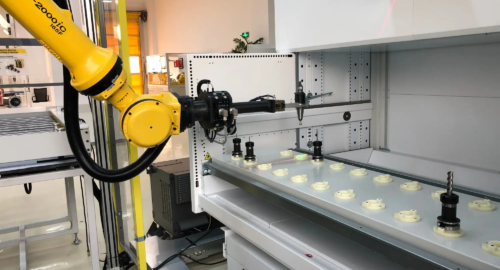
除了先进的仓储管理系统外,Modula APAC还提供三种类型的垂直升降货柜(VLM),可显著提高你的库存周转率:
- 空间优化:VLM 最大限度利用厂房的垂直空间,减少仓储占地面积,帮助提高库存周转和流转效率。
- 体验拣选效率:VLM 将物品直接送达操作人员的人体工学高度,加快拣选速度,减少错误,提升整体效率。
- 更好的库存控制:VLM 集成的库存管理软件可实时追踪库存交易,准确管理库存水平,并发送补货提醒,帮助维持理想库存状态。
- 降低人工成本:VLM 实现存储和取货自动化,减少人工成本,让员工可以转向更具生产力的任务,如质量控制和检测。
- 最佳安全性:VLM 可配备安全访问控制,防止未经授权的访问并减少人工操作,降低被盗或损坏的风险。
- 可扩展性与灵活性:随着业务发展,VLM 可重新配置或扩展,支持无需大幅新增空间投资的可扩展运营。
从三种 VLM 中选择,重塑你的仓储运营:
- Modula LIFT:Modula Lift 是适用于各类环境和行业中产品、组件及备件的理想自动化仓储解决方案。其最大处理能力为每小时 120 个托盘,每个托盘可承重达 990 公斤。
- Modula NEXT:Modula NEXT 是我们最新一代的升降模块,在自动化取货方面提供无与伦比的安全管理。它配备了专为特定货位拣选而定制的开口货台。
- Modula SLIM:Modula SLIM 采用与 Modula Lift 相同的先进存储技术,并为客户带来相同优势。它在更紧凑的空间内提升生产效率、确保拣选准确性,并简化库存管理。
联系我们,了解我们的技术如何提升你的运营、赋能你的团队。我们的专家已准备好为你提供量身定制的建议和解决方案,以满足你独特的仓储需求。

Did you know that obsolete inventory can hurt your business and impact your cash flow?
It’s essential to sell the products you acquire to achieve profit and cover your warehouse costs. This is where the importance of the inventory turnover ratio comes into play.
We’ll demonstrate how to compute your inventory turnover, explain what constitutes a favorable inventory turnover ratio, explore expert tips to enhance your turnover rate, and share industry-leading warehouse solutions from Modula APAC that can help.
What Is Inventory Turnover?
Inventory turnover refers to how quickly a company sells its stock after purchase. It can help your business improve your cash flow and operational efficiency.
What Is Inventory Turnover Ratio?
The inventory turnover ratio measures the rate at which stock is sold, used, and replenished.
The turnover ratio is calculated through a mathematical formula, where the cost of goods sold is divided by the average inventory for the same period. A higher rate is more favorable, as it usually indicates strong sales.
How To Calculate Inventory Turnover Ratio
Inventory turnover ratios are generally calculated over one fiscal year, although this can vary depending on the business.
Here’s a step-by-step guide to calculate your inventory turnover ratio:
1. Add the beginning and ending inventory for the period, then divide by two:
Average Inventory = (Beginning Inventory + Ending Inventory) / 2
If your business experiences no seasonal fluctuations, you can use ending inventory instead. For more accuracy, especially with seasonal variations, calculate the annual average by dividing monthly inventory totals by 12.
2. Apply the inventory turnover formula
Inventory Turnover Ratio = Cost of Goods Sold (COGS) / Average Inventory
Inventory Turnover Ratio Example
A boutique retailer specialising in handcrafted pendant lights experienced its busiest period during Q4.
The company reported $60,000 in COGS and $20,000 in average inventory for the quarter. To calculate the inventory turnover ratio, divide $60,000 by $20,000:
Inventory Turnover Ratio = $60,000 ÷ $20,000 = 3
Calculating the Average Inventory Period
Using the same scenario, we can calculate the average inventory period — the time it takes to sell the current inventory. With an inventory turnover ratio of 3, divide 365 days by 3:
Average Inventory Period = 365 ÷ 3 = 121.67 days
This means the boutique retailer takes approximately 122 days to sell its current inventory at the existing turnover rate.

Higher vs. Lower Inventory Turnover Ratios
A high inventory turnover ratio indicates strong market demand for the company’s products and frequent inventory replenishment.
On the other hand, a low inventory turnover ratio suggests weak market demand and excess inventory (overstocking). Unsold inventory may eventually require a write-down to reflect its reduced value on the balance sheet.
What Is a Good Inventory Turnover Rate?
Typically, an inventory turnover ratio between five and 10 indicates a well-balanced inventory, suitable for sales and restocking.
For example, if your company’s turnover ratio is one, it means you sold 100 items and had 100 in stock during the period. On the other hand, selling 500 items with 100 left in stock results in a turnover ratio of five.
Why Should You Understand Your Inventory Turnover?
Inventory turnover is crucial, as it measures how efficiently a company manages its stock.
1. Drive Profitability
Understanding inventory turnover is a direct path to higher profitability.
As a critical key performance indicator (KPI), it plays a pivotal role in driving retail growth. Higher inventory turnover reduces holding costs and allows businesses to adapt more quickly to changing customer demands — a win-win for retailers.
2. Maximise Operational Efficiency
Operational efficiency significantly improves with regular inventory turnover assessments. These assessments can help your business refine your purchasing strategies, ensuring optimal stock levels without overinvestment in slow-moving items.
Knowing your inventory turnover can also help you prevent costs associated with excess stock, such as storage fees and depreciation, and minimise the risk of stockouts that could lead to lost sales.
3. Make Smarter Decisions
Understanding inventory turnover can help you make smarter, more informed decisions.
It allows you to identify which items need restocking, highlights underperforming products, and guides strategies like price adjustments or discounts.
You can also predict demand more accurately, enabling proactive manufacturing and production planning.
How To Increase Your Inventory Turnover
With a clear understanding of your inventory turnover, here are methods to enhance your turnover:
1. Promote Surplus Stock Sales
Low-demand stock can burden your business, as it ties up capital that could otherwise be used for more profitable, fast-moving items.
Actively implement special discounts and promotions to clear out your surplus stock. For example, consider launching a targeted marketing campaign specifically designed to attract buyers interested in clearance sales.
Use digital marketing tools such as social media ads, email newsletters, and exclusive online deals to reach a broader audience and drive urgent sales.
2. Motivate Your Customers to Place Advance Orders
Encouraging your customers to pre-order specific products guarantees confirmed sales, enhancing your inventory turnover.
To give your customers that extra incentive to place advance orders, create anticipation and exclusivity by offering early access to new products, limited-time discounts, special bonuses, and exclusive sneak peeks.
Clearly communicate the pre-order timeline and provide regular updates to build trust. This also makes your customers feel they’re getting a special deal by pre-ordering before the product is widely available.
3. Perform Demand Forecasting
Demand forecasting enables you to predict which products will be in high demand, allowing you to adjust your inventory levels accordingly.
For example, if you anticipate a surge in demand for festive food and flowers during the Lunar New Year, you can increase your stock to meet the expected rise in sales.
4. Restock Efficiently
If an item sells quickly, avoid buying large quantities to prevent overstocking.
Instead, store smaller quantities more frequently. This approach ensures you order new stock before the current supply sells out, keeping your business running smoothly and reducing excess inventory.
Additionally, ordering more frequently may help you secure better rates from suppliers.
5. Speed Up Shipping
For online businesses, fast and reliable shipping is paramount to boosting sales. If customers face long waits or receive damaged products, they’re unlikely to return or may leave negative feedback that may discourage future buyers.
When you accelerate your shipping process, you can streamline your inventory turnover and guarantee that products reach customers promptly.
6. Utilise Different Pricing Strategies
Pricing can be complex, particularly when you’re managing a diverse range of products on a global scale. A one-size-fits-all pricing strategy is often ineffective. Instead, adapt each strategy to suit varying product demands, market conditions, and consumer expectations.
Implement seasonal pricing during peak periods, offer free shipping to boost competitiveness, and provide discounts for bulk purchases to encourage larger orders.
7. Implement Automation
Automation, particularly through a warehouse management system (WMS), can significantly reinforce your inventory turnover by optimising various aspects of warehouse operations.
With real-time tracking capabilities, a WMS provides precise data on inventory levels, locations, and movements within the warehouse. This level of accuracy prevents overstocking and understocking by ensuring inventory levels are based on current demand and sales forecasts.
Advanced WMS also incorporates analytics tools that help predict future inventory needs based on historical sales data, trends, and seasonal fluctuations.

Improve Your Inventory Turnover With Modula APAC’s Vertical Lift Modules
On top of our advanced warehouse management system, Modula APAC offers three types of vertical lift modules (VLMs) that can help significantly boost your inventory turnover:
- Space Optimisation: VLMs make the most of your facility’s vertical space to reduce storage footprint and help you increase stock rotation and turnover.
- Experience Picking Efficiency: VLMs deliver items directly to operators at an ergonomic height, speeding up the picking process, reducing errors, and enhancing overall efficiency.
- Better Inventory Control: Integrated inventory management software in VLMs tracks inventory transactions in real-time, manages stock levels accurately, and sends restocking alerts to help maintain ideal inventory levels.
- Reduced Labor Costs: VLMs automate storage and retrieval processes, cutting labor costs and allowing staff redeployment to more productive tasks, such as quality control and checks.
- Optimal Security: VLMs can include secure access controls to prevent unauthorised access and minimise handling, reducing potential theft and damage.
- Scalability and Flexibility: Reconfigure or expand VLMs as your business grows, supporting scalable operations without significant new space investment.
Choose from three VLMs to revamp your warehouse operations:
- Modula LIFT: Modula Lift serves as the ideal automated warehouse solution for products, components, and spare parts across all environments and sectors. It delivers a maximum throughput of up to 120 trays per hour, with each tray supporting a payload of up to 990 kg.
- Modula NEXT: Modula NEXT represents our latest generation lift module, offering unparalleled safety management for automated retrieval in the warehouse. It includes a custom-designed bay that opens exclusively at a designated compartment for picking.
- Modula SLIM: Modula SLIM employs the same sophisticated storage technology as the Modula Lift model and offers the same advantages for clients. It enhances productivity, ensures picking accuracy, and streamlines inventory management in a more compact area.
Reach out to discover how our technology can elevate your operations and empower your team. Our experts are ready to provide tailored advice and solutions that specifically cater to your unique warehouse needs.