






当我们谈论冷链物流时,指的是一个温控供应链,包括以下几个系统:
- 生产
- 存储
- 配送
这些系统都需要配备适当的设备,以确保在所需的温度范围内保持恒定温度,从而防止材料或产品遭受污染或变质。
因此,冷链是最复杂、成本最高的物流管理过程之一,广泛应用于处理对温度敏感的产品的行业,如食品、制药、电子、花卉和皮革行业。
由于产品的特殊性,冷链物流管理中的一些关键问题使其与传统供应链有所不同。
一个例子是疫苗,因为它们通常在整个供应链过程中需要保持非常严格的温度控制,从生产到最终用户。如果在供应链中的某个环节未能在这温度范围内维持温度,即便只是短时间,也会影响疫苗的安全性和有效性,导致疫苗无法使用。
1)温控的高成本
一些涉及冷链物流的行业直接影响公共卫生(例如,农业食品和制药行业),因此,温控要求严格,并对冷链的所有阶段进行监管。
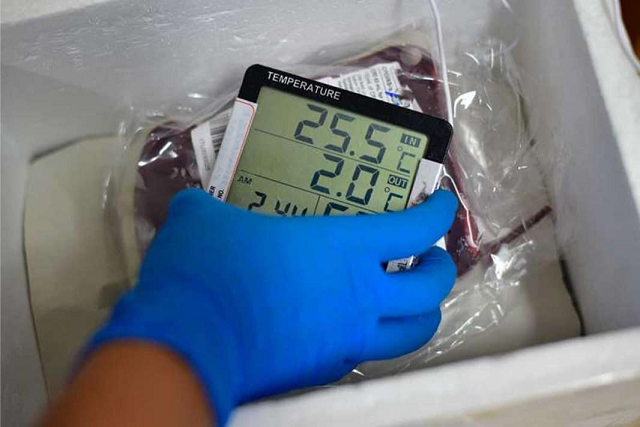
在欧洲,参考框架是《EC第37/2005号条例》,要求定期测量和记录运输工具和存储场所的温度。这意味着运输方式和仓库必须配备适当的仪器和设备,以保证所需的温度,并实时测量温度变化。
冷链物流所需的具体设备和巨额投资包括冷库、建筑隔热、温控传感器和冷藏运输。这些费用可能比干货运输和存储所需费用高出五倍,冷却系统的能耗也是一项考虑因素。
2)污染和变质的风险
需要温控的产品一旦发生污染或变质,可能给公司带来巨大的经济损失。例如,在食品行业,冷链的广泛应用源于大型零售和电商的普及。食品产品易腐烂,如果没有得到正确管理和处理,真菌、细菌和微生物会迅速滋生。物流环节还必须遵守《危害分析和关键控制点》(HACCP)规则。
与材料变质相关的成本既包括直接成本,也包括间接成本,且这些成本主要在存储阶段产生。
产品一旦受到污染或腐烂,后果包括:
- 废品处理费用
- 更高的质量控制费用
- 补货费用
间接成本则包括:
- 声誉和信任的损失
- 市场份额的丧失
- 可能因索赔而发生的争议
为了减少产品污染和变质的风险,并避免上述相关成本,至关重要的是采取所有温控措施,并使用适当的技术解决方案,确保冷链的完整性。
3)拣货时间
与上述安全风险密切相关的是,冷链物流中的拣货时间必须尽量缩短,以确保产品的完整性。拣货是一个关键的流程,因为产品会被暂时拿出温控环境,这段时间必须尽量减少,以确保产品的安全性和完整性。
在为易腐产品设计仓储管理系统时,必须实施高效的拣货策略,并使用自动化工具,使产品在温控环境外的时间尽可能短。
限制冷链物流成本的解决方案
尽管冷链物流的成本和不当管理所带来的风险非常高,但同样也可以采取一些适合的流程和技术解决方案,大大减少这些成本和风险,同时优化组织效率。
这些解决方案可以应用于以下供应链阶段:
- 生产
- 存储
- 装货
- 运输
- 分销中心或零售点的卸货
最后阶段——拣货、存储和运输到最终消费者——通常不在公司的控制范围内,除非是电商。
1. 自动化拣货
除了安全性至关重要外,拣货还是一个无法完全由人工参与的过程。例如,在冷冻产品存储中,温度可能低至零下30度。
为了防止热冲击和产品变质,现代冷链物流中心使用人形机器人进行自动化拣货。采用商品到人(goods-to-person)方法,并利用先进的语音拣货技术,使操作员能够通过耳机与供应链设备和系统进行通信。
更快速的拣货和人形机器人能够自动检测产品状况,带来了显著的经济节省。
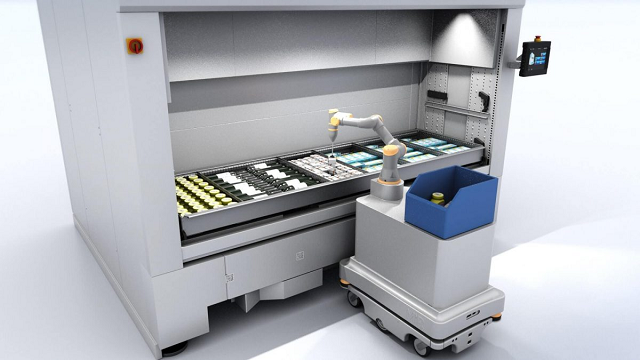
现代冷链物流中心采用仿人形机器人来实现拣选作业自动化
2. 自动化垂直温控存储系统
为仓库降温的成本非常高,尤其是在能源方面。因此,最大化利用现有空间以减少能源成本是一项良好做法。
解决这一问题的方案是垂直存储系统,借此可以节省多达90%的仓库空间。Modula Lift Climate Control自动化存储系统在2°C到25°C的范围内确保温控,并结合垂直存储系统的优点,以及保证产品安全存储所需的温度和湿度水平。
自动化存储系统还通过自动化拣货和放置操作减少了温度分散带来的成本。
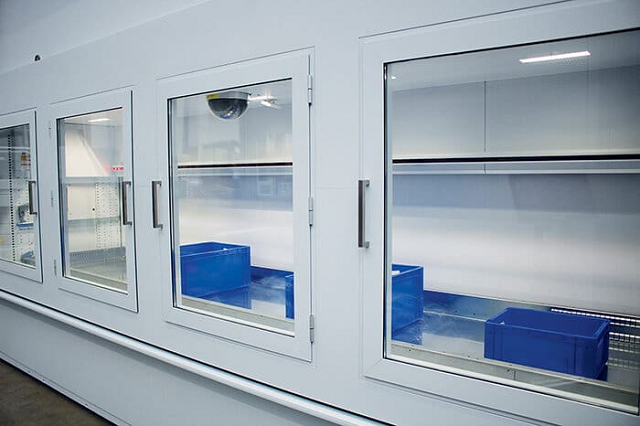
Modula LIFT温度控制管理仓储系统
3. 冷冻仓库自动化物料处理
在温控存储系统中,存储温度较低时,通常使用自动化处理系统来减少操作员在这些区域的工作时间。
例如,托盘堆垛起重机和托盘穿梭车是自动和远程控制的。结果是提升了操作效率和速度。
AMR车辆、机器人和在温控仓库或冷冻室中运行的所有处理系统都具有特殊的特点。特殊的温度和湿度条件可能会影响操作,且结合后可能带来危险。
此类成本的降低,主要得益于减少了能量的散失,减少了存储产品接触污染物的风险,并保障了操作员的健康。
4. 通过传感器和物联网解决方案进行冷链监控
上述所有解决方案都基于现代传感器系统,用于测量温度、位置和大小,并结合物联网解决方案来分析和评估收集到的数据。因此,物联网和传感器有助于确保冷链中的温度稳定,并防止能源浪费。
随着对这类服务需求的日益增长,企业可以充分利用这些技术机会来维持冷链,并提升其管理效率。例如,电商或制药行业,随着对需要温控的产品需求逐年增加。
相关企业必须重新组织仓储系统,以满足新的管理要求,减少成本,同时提升物流效率。

When we talk about cold supply chain logistics, we mean a temperature-controlled supply chain that includes the following systems:
- Production
- Storage
- Distribution
Each of these systems must be supported by equipment bso the materials or products processed and distributed do not undergo contamination or deterioration.
The cold chain is therefore one of the most complex – and expensive – logistics management processes and is used in sectors dealing with products that are sensitive to heat, such as the food, pharmaceuticals, electronics, floriculture, and leather sectors.
Due to the nature of the products, the specific criticalities in the management of cold chain logistics make it different from the traditional supply chain.
One example is vaccines, as they often require a very narrow temperature range throughout the supply chain, from production to the final user. Failure to maintain the temperature within these narrow ranges even for a short time along the chain can affect safety and efficiency, therefore making the vaccines unusable.
1) High costs for temperature control
Some sectors in which cold supply chain logistics is used have a direct impact on public health (for example, the agri-food and pharmaceuticals sectors), and for this reason, temperature control requirements are stringent and regulated for all phases of the cold chain.
The reference framework in Europe is EC Regulation 37/2005, which requires temperatures to be measured and recorded at regular intervals on means of transport and storage sites. This means that both the method of transportation and the warehouses must have suitable instruments and equipment to guarantee the required temperature, as well as measure it over time.
Examples of the specific equipment and significant investments needed for cold logistics are cold rooms, building insulation, temperature control sensors, and reefer transport. The cost for these can be to five times higher than those required for transporting and storing dry products, and the energy costs related to the refrigeration systems are also a consideration.
2) Risk of contamination and deterioration
The contamination or deterioration of products that require a controlled temperature can pose enormous economic implications for a company. For example, the food sector, where the cold chain is increasingly adopted due to the massive presence of large-scale retailing and e-commerce. Food items are highly perishable and fungi, bacteria and microbial growth can easily develop if they are not properly managed and handled. Logistics must also comply with the Hazard Analysis and Critical Control Points (HACCP) rules.
The costs related to the deterioration of materials are both direct and indirect and can be generated throughout the supply chain logistics. These costs are higher in the storage phase, where the temperature is reduced.
When products are contaminated or perish, the consequences are:
- Waste management costs
- Higher quality control costs
- Replenishment costs
Indirect costs, instead, are related to:
- Loss of reputation and trust
- Loss of market share
- Possible disputes due to claims for damages
To reduce the risk of contamination and degradation of products – and thus avoid the associated costs mentioned above – it is critical to implement all temperature control measures and use suitable technological solutions capable of maintaining the cold chain.
3) Picking times
Strictly related to the safety risks illustrated above, picking times in cold logistics must be reduced to a minimum to ensure the integrity of the products being handled. Picking is a key process, as the products or goods are left out of the temperature-controlled environment, and this lapse of time must be minimised to ensure safety and integrity.
When designing a warehouse management system for the storage of perishable products, it is essential to implement picking strategies and to use automation tools, so that the products remain outside the refrigerated environment for the shortest possible time.
Solutions to limit the costs of the cold chain logistics
If the costs related to cold logistics and to its improper management are very high, it is also true that it is possible to adopt processes and technological solutions suited to significantly limit them, as well as all related risks, while at the same time optimising the organisation.
These solutions can be used in the following phases of the supply chain:
- Production
- torage
- Loading of goods
- Transport
- Unloading at distribution hubs or Points of Sale
The last phase — picking, storage, and transport to the final consumer — remains outside the company’s control, unless it is e-commerce.
1. Automated picking
In addition to being a critical phase for safety, picking is also a process in which operators cannot always be involved. This is the case, for example, of frozen product storage, with temperatures as low as -30 degrees Celsius.
In order to prevent thermal shocks and degradation, modern cold logistics centers use anthropomorphic robots to automate picking. The goods-to-person method is therefore adopted, also taking advantage of the more recent voice picking technology, which allows operators to communicate with the supply chain equipment and systems using a headset.
Faster picking and the ability of anthropomorphic robots to automatically detect product conditions translate into significant economic savings.

Modern cold logistics centers use anthropomorphic robots to automate picking
2. Automated vertical temperature-controlled storage systems
Cooling a warehouse is expensive, even in terms of energy. For this reason, it is good practice to take advantage of the available surface area as much as possible in order to reduce energy costs.
The solution to this problem is vertical storage systems, with which it is possible to save up to 90% of the available warehouse space. Modula Lift Climate Control automated storage systems also ensure temperature control in a range of +2 to +25 degrees Celsius, combining the benefits of a vertical storage system with engineering that guarantees the temperatures and humidity levels necessary for the safe storage of products.
An automatic storage system also reduces the costs associated with temperature dispersion, thanks to the automation of picking and placing operations.

Modula Lift Climate Control automated storage systems
3. Automatic handling of solutions in deep freezer cells
In temperature-controlled storage systems, where storage temperatures are low, it is common to use automatic handling systems to reduce the time spent by operators in these areas.
Examples include pallet stacker cranes and pallet shuttles, which are automatically and remotely controlled. The result is improved operational efficiency and speed.
AMR vehicles, robots, and all handling systems operating in temperature-controlled warehouses or deep freezers have different characteristics. The special temperature and humidity conditions can actually affect the operation and combine in such a way that can become dangerous.
The lower costs, in this case, are always due to reduced dispersion of energy, decreased exposure of stored products to possible contaminants, and protection of the health of operators.
4. Cold supply chain monitoring with sensors and IoT solutions
All the aforementioned solutions are based on the most modern sensor systems for the determination of temperature, position, and size, as well as on IoT solutions for analysing and assessing the data collected. Therefore, the Internet of Things and the sensors help to ensure a constant temperature along the cold chain and to prevent energy waste.
Thus, with demand for this kind of service currently growing on the market, it is possible to take full advantage of these technological opportunities to maintain the cold chain and improve its management. Think of e-grocery or the pharmaceutical sector, where the demand for products that need controlled temperatures increases from year to year.
The companies operating in these sectors must therefore reorganise their warehouses, both to meet the new requirements for the proper management of goods and to reduce costs, while at the same time improving the efficiency of their logistics system.