



对于电商企业主来说,订单履行是运营中至关重要的一环。
随着业务的增长,由于仓储空间有限或对更快配送的需求,在内部处理客户订单可能变得不切实际 —— 尤其是全球约三分之二的消费者希望在24小时内收到商品的背景下。
如果你正在考虑将3PL服务提供商纳入运营体系,你很可能在评估其利与弊。
在本文中, 我们将帮助你做出决定,详细解释有关3PL你需要了解的一切。
我们将定义3PL的含义,介绍与3PL合作的好处,并引导你了解选择服务商时应重点考虑的因素。
什么是3PL?
第三方物流(Third-party logistics,简称3PL),也称为3PL合作伙伴,是指将电子商务物流运营外包给外部服务提供商。这些运营包括运输、仓储、分装、库存管理、包装以及清关等。
借助3PL服务商可带来众多好处,比如提供技术支持、节省成本,以及在竞争激烈的市场中提升运营效率。
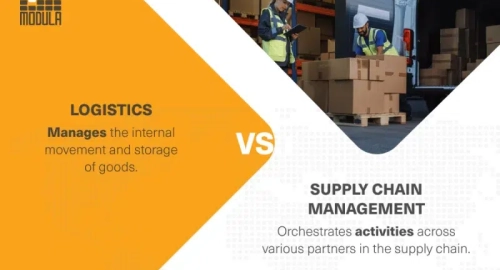
3PL 与 4PL 的区别
3PL服务商负责具体的物流服务,如存储、运输和订单履行。他们是管理日常物流运营的外部合作伙伴,但客户仍然保留对供应链部分环节的控制权。
相比之下,4PL服务商(也称为主导物流服务商)则更进一步,负责管理客户整个供应链。
他们作为运营支持和与其他供应商沟通的集中联系人,通过负责战略性操作来优化商家的物流。
4PL通常协调多个3PL服务商的关系,并管理运输、库存和仓储技术。
与4PL合作,你无需再自己管理多个供应商关系或做出物流相关的常规决策。
3PL与4PL的另一个关键区别在于:
3PL通常拥有其所需的物流资产,如仓库和车队;而4PL通常不拥有实物资产,他们提供的是物流专业知识和IT系统,例如履行软件。
3PL的订单履行流程
履行流程是供应链管理的关键环节,遵循一系列与标准供应链程序相一致的步骤。
无论是内部处理物流还是借助3PL或4PL服务商,这些步骤都是确保订单顺利完成的保障。
1. 收货
订单履行的第一步是收货。收货是指接收、卸载并将库存储存在仓库或履行中心的过程。
所有类型的3PL服务商都遵循这一标准步骤,但每家的收货方式可能略有不同。
例如,一些3PL使用自动化系统对到货库存进行扫描和分类,而另一些则采用人工检查和记录的方式,以确保入库前的准确性。
2. 存储
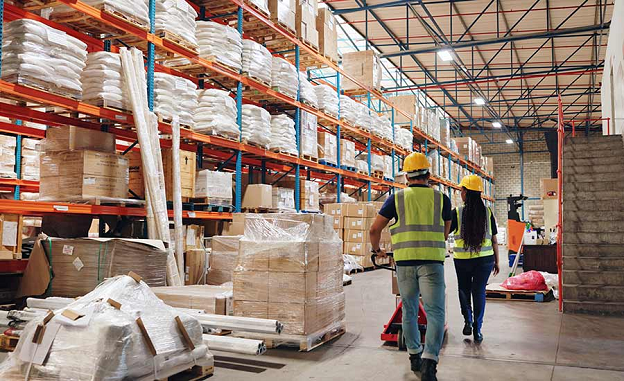
当商品到达履行中心后,员工会对其进行组织和存储。每个SKU会被分配到3PL仓库的一个指定位置,并通过货架、箱号或托盘编号进行跟踪。
3PL服务商在存储能力方面各不相同,并非所有服务商都具备相同类型或数量的仓储资源。
订单履行高度依赖于仓储能力,因此选择一个有足够空间支持你所有产品、并能随着你业务增长而扩展的3PL至关重要。
3. 拣货
当客户下单后,你的3PL合作伙伴应迅速找到商品,并准备包装和发货。
这要求3PL必须保持准确的库存记录,并高效处理客户订单,以加快配送速度。
4. 包装
不同的产品在安全运输方面有不同的包装需求,你的3PL应具备处理这些需求的能力。
常见的包装材料包括纸张、胶带、防震袋、缓冲材料和纸箱。3PL凭借其行业专业知识,能够选择最佳包装方式,确保产品安全送达客户手中。
5. 发货
你的3PL合作伙伴负责将商品运输给客户,可能会与不同的承运商合作。
有些3PL会选择最便宜的运输方式,而另一些则偏向于合作的特定承运商。在合作前应了解其运输流程和服务范围。
此外,也要了解他们如何处理运输标签。有些3PL会为你打印并购买标签,而另一些则会将该费用转嫁给你。
6. 退货
大多数3PL提供退货处理服务,以应对客户对订单不满意的情况,例如商品损坏等。
他们会处理退回的商品,并根据你的政策选择是将其重新入库还是进行报废处理。
谁需要3PL仓库与合作伙伴?
无论你是创业初期的小型企业,还是跨国公司,3PL仓库和合作伙伴都可以优化资源并提升效率。
你可以考虑使用3PL合作伙伴的情境包括:
- 仓储空间有限
- 难以管理不断增长的客户群体
- 客户投诉数量上升
- 履行流程中存在延迟
- 人手短缺
- 正在进行运营调整,如从本地转向国际生产商等
与3PL合作的关键好处
将专业工作交给专家处理后,你可以更专注于自身核心业务,并更有效地分配资源。
- 提升效率:3PL通过精简仓储到运输的整个流程,提高了整体供应链的效率。
- 节省成本:与3PL合作可减少运营成本,无需自建物流基础设施或雇佣人员。例如,你可以利用3PL现有的设施和资源,避免搬迁至更大仓库,从而节省房地产投资及管理费用。
- 具备扩展与灵活性:3PL可以轻松应对需求波动和业务扩张,无需额外投资即可适应增长。
- 借助3PL的经验:3PL对物流行业了如指掌。你可以借助他们的专业知识优化物流策略。例如,他们能建议最优运输路线和方式,或推荐最新技术来提升库存管理和订单履行效率。
如何寻找最佳3PL合作伙伴
花时间去调研和仔细评估潜在合作伙伴,能带来更流畅的供应链、更高的营收和更满意的客户。
1. 调研
从收集各3PL服务商的信息开始。查看客户评价、案例研究和推荐,了解他们的可靠性和表现。
选择3PL时,确保其具备以下条件:
- 有与你所在行业公司合作的经验
- 价格具有竞争力
- 拥有良好声誉
- 具备随业务增长而扩展的能力
- 拥有先进技术,包括自动化仓储管理与订单履行系统
- 在旺季如黑五或节假日期间能快速适应需求变化
2. 评估合作伙伴
根据其经验、产能和与你业务目标的契合度来评估潜在合作伙伴。考虑他们的客户服务能力、扩展性及应对物流挑战的灵活性。
你也可以询问他们是否:
- 运营自动化仓库
- 提供模块化和可扩展的解决方案
- 使用拣选解决方案和仓库管理系统(WMS)
3. 确保3PL服务商使用 Modula 的自动化解决方案
要确定某个3PL是否能优化你的运营,可询问他们是否使用 Modula APAC的自动化解决方案。
在 Modula APAC,我们为3PL服务商提供先进的仓储技术,如WMS软件、垂直升降模块(如 Modula LIFT NG、Modula NEXT、Modula SLIM)、水平旋转货架及自动拣选系统,以最大化存储、提升生产力并降低人为错误。
我们的解决方案可帮助3PL:
- 安全存储和整理SKU
- 通过使用温控系统和洁净室等特殊应用,符合对化学品、电子产品、药品或食品的存储要求
- 减少对人力的依赖,从而进一步降低人为错误
- 通过提高效率和生产力来降低成本

For eCommerce business owners, order fulfilment is a crucial part of operations.
And, as your business grows, handling customer orders in-house may become impractical due to limited storage space or the need for faster shipping times — especially since two-thirds of shoppers around the world expect to receive their items within 24 hours.
If you’re thinking about implementing a 3PL provider to your operations, you’re most likely evaluating its advantages and disadvantages.
In this article, we’ll help you decide by explaining everything you need to know about 3PL.
We’ll define what it is, discuss the benefits of working with a 3PL partner and walk you through the top considerations when choosing a provider.
What Is 3PL?
Third-party logistics (3PL), also known as a 3PL partner, is the outsourcing of eCommerce logistics operations, such as transportation, warehousing, kitting, managing inventory, packaging and clearing customs to an external service provider.
Leveraging a 3PL provider offers plenty of benefits, from providing tech services and cost savings to boosting efficiency in a competitive market.
3PL vs. 4PL
A 3PL provider handles specific logistics services, such as storage, transportation and order fulfilment. They’re an external partner that manages the day-to-day logistics operations, but the client still maintains control over aspects of the supply chain.
On the other hand, 4PL providers (also known as lead logistics providers) take logistics outsourcing a step further by managing the client’s entire supply chain.
They act as the centralised point of contact for operational support and communication with other vendors, optimising logistics for merchants by handling their strategic operations.
A 4PL oversees relationships with various 3PL providers and manages transportation, inventory and warehouse technologies.
When collaborating with a 4PL partner, you don’t need to manage multiple vendor relationships or make general logistics-related decisions.
Another key difference between 3PLs and 4PLs:
3PL providers often own the assets they need for logistics services, such as warehouses and fleets. In contrast, 4PLs typically don’t own physical assets. Instead, they provide logistics expertise and IT systems, like fulfilment software.
The 3PL Order Fulfilment Process
The fulfilment process plays a key role in supply chain management, following several steps that align with standard supply chain procedures.
Whether you handle logistics internally or with the help of a 3PL or 4PL, these steps ensure the successful completion of an order.
1. Receiving
The first step in the order fulfilment process is receiving. Receiving is the process of accepting, unloading and storing inventory in a warehouse or fulfilment centre.
While all types of 3PLs follow this standard step, each may use a slightly different method to receive their inventory.
For example, some 3PLs may use automated systems to scan and sort inventory as it arrives, while others manually check and record items to ensure accuracy before storage.
2. Storage
Once products arrive at the fulfilment centre, employees organise and store them. Each SKU is assigned a designated location in the 3PL warehouse, tracked by a shelf, bin or pallet number.
3PLs vary in their storage capabilities, and not all have the same type or amount of storage.
The order fulfilment process heavily relies on warehousing, so it’s crucial to choose a 3PL that has enough space to support all your products and can scale with your growth.
3. Picking
When a customer places an order, your 3PL partner should quickly locate the item and prepare it for packing and shipment.
This requires the 3PL to maintain accurate inventory records and efficiently process customer orders to speed up delivery.
4. Packing
Different products have specific packing needs for safe transportation, and your 3PL should be equipped to handle these requirements.
Common packing materials include paper, tape, bubble mailers, dunnage and boxes. With their industry expertise, 3PLs can determine the best packing methods to ensure your products are securely shipped out.
5. Shipping
Your 3PL partner manages shipping your goods to customers and may work with different carriers.
Some may choose the least expensive option, while others prefer specific carrier partners. Before partnering with a 3PL, understand their shipping processes and transportation services.
Additionally, consider how they handle shipping labels. Some 3PLs print and purchase labels for you, while others pass this cost on to you.
6. Returns
Most 3PLs provide returns processing services if a customer isn’t happy with their order (think
Most 3PLs offer returns processing services for customers who aren’t happy with their orders, such as damaged products. They’ll process the returned goods and either restock the item in your inventory or get rid of it, depending on your policy.
Who Needs a 3PL Warehouse and Partner?
Whether you run a startup or have a multinational corporation, a 3PL warehouse and partner can optimise your resources and increase efficiency.
Consider a 3PL partner if you:
- Have limited warehouse space
- Struggle to manage a growing customer base
- Face an increasing number of customer complaints
- Encounter delays in your fulfilment process
- Experience labor shortages
- Make operational changes, such as switching from local to international manufacturers
Key Benefits of Collaborating With 3PL Partners
When you leave it to the experts, you can focus on your core competencies and allocate resources more effectively.
- Increased efficiency: 3PLs streamline logistics operations, from warehousing to transportation, streamlining the entire supply chain.
- Cost savings: Partnering with a 3PL can reduce operational costs by eliminating the need for in-house logistics infrastructure and personnel. For example, instead of moving to a larger warehouse, your business can use a 3PL’s existing facilities and resources, helping you further save on property investment and management expenses.
- Scalability and flexibility: 3PLs can easily adjust to fluctuating demand and scaling operations, accommodating business growth without the need for additional investments, such as
- Leverage the 3PL’s experience: 3PLs understand the industry like the back of their hand. Use their specialised knowledge and experience to improve logistics strategies and operations. For example, 3PLs can provide insights into the most efficient routing and shipping methods or suggest the latest technology to streamline inventory management and order fulfilment processes.
How To Find the Best 3PL Partner
Taking the time to research and carefully evaluate potential partners can pay off by providing a more streamlined supply chain, increased revenue, and happier customers.
1. Research
Begin your search by gathering information on different 3PL providers. Look at reviews, case studies and testimonials to gauge their reliability and performance.
Ultimately, when choosing a 3PL partner, ensure they offer the following:
- Experience with companies in your industry
- Competitive pricing
- A solid reputation
- Scalability to grow with your business
- Advanced technology, including automated solutions for warehouse management and order fulfilment
- The flexibility to quickly adapt during seasonal demands, such as Black Fridays or holidays
2. Evaluate the Partner
Assess potential partners based on their experience, capacity, and alignment with your business goals. Consider their customer service, scalability and flexibility in handling logistics challenges.
You can also ask if they:
- Operate an automated warehouse
- Provide modular and scalable solutions
- Take advantage of picking solutions and a warehouse management system (WMS)
3. Make Sure the 3PL Provider Is Using Modula’s Automated Solutions
To determine if a 3PL provider can boost your operations, ask if they use Modula APAC’s automated solutions.
At Modula APAC, we equip 3PL providers with state-of-the-art warehouse technology, such as WMS software, vertical lift modules, such as our Modula LIFT NG, Modula NEXT, Modula SLIM horizontal carousels and automated picking systems to maximise storage, strengthen productivity and minimise human error.
Our solutions enable 3PL providers to:
- Safely store and organise SKUs
- Comply with regulations for storing sensitive items like chemicals, electronics, pharmaceuticals or food, using special applications, such as Climate Control and Clean Room
- Reduce human workforce dependency, thereby further decreasing human error
- Cut costs through enhanced efficiency and productivity