





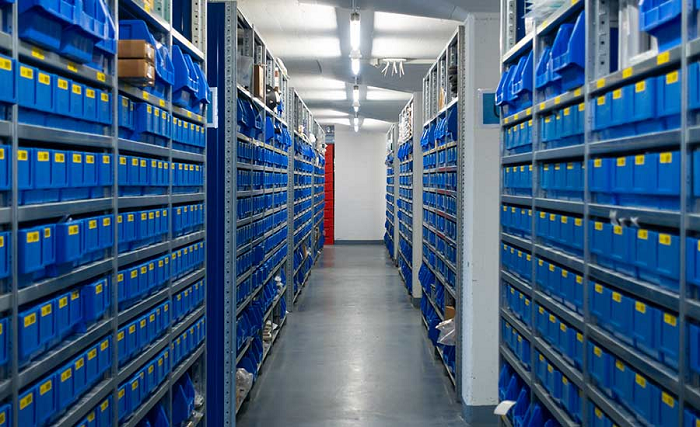
如果你负责管理一个存放小型零部件的仓库,那么你很可能已经体会到其中常见的管理挑战。
即使只是少量零部件丢失,也可能扰乱整体运营,导致高昂的时间与成本损失。
正因如此,保持库存井然有序且安全可控,对于维持高水平的生产力、效率和安全性至关重要。
在本文中,我们将为你系统介绍小型零部件的存储方式——从传统的垂直零部件存储容器,到 Modula APAC 提供的自动化零部件存储系统,帮助你全面了解相关解决方案。
仓库中的“小型零部件”指什么?
小型零部件通常是指重量轻、体积小的 SKU。由于其尺寸小、价值高、且更容易丢失或错放,这类物料往往需要更精细的操作方式、存储方案和库存管理策略。
尽管体积不大,小型零部件在生产与运营中却不可或缺,同时也更难管理。一方面,它们的价值往往较高;另一方面,这类物料通常以大批量库存的形式存在,使库存管理更加复杂。
常见的小型零部件包括:
- 五金件:螺钉、螺母、螺栓、垫圈、卡扣
- 电子元件:电容、电阻、连接器、芯片
- 机械部件:弹簧、螺母、螺栓
- 工具及配件:钻头、切削刀片、紧固件
四种常见的垂直零部件存储容器类型
从人工存储方案到自动化零部件存储系统,以下是仓库中常见的四种垂直零部件存储容器类型,可用于安全存放小型零部件。
1. 塑料存储箱
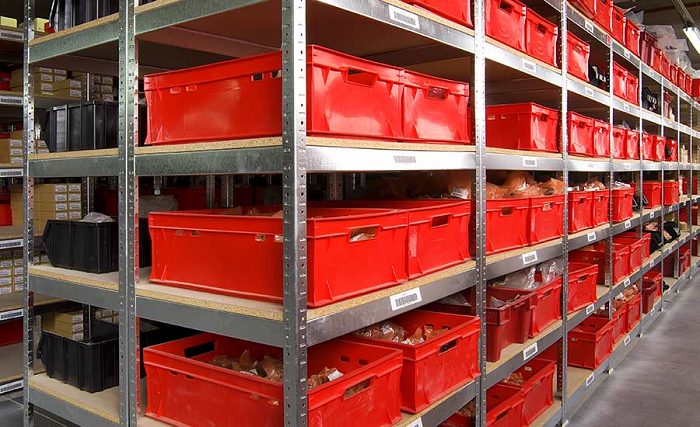
塑料存储箱通常可以相互堆叠,或作为存储系统的一部分安装在墙面上。
相较于货架或抽屉式存储,塑料存储箱在中小型仓库中是一种更具性价比的选择。
这类存储箱通常由耐用的聚丙烯材料制成,具备良好的防水、防油性能,能够应对日常仓储环境中的液体溢出情况。
2. 工业抽屉柜
工业抽屉柜是一种用于整理设备和工具的存储柜,广泛应用于汽车维修车间、机械加工车间等场所。
这类柜体通常配有可上锁的柜门,用于限制访问权限,从而提升库存安全性和管理可控性。此外,工业存储柜还可以与工作台或操作台集成,打造更加紧凑、高效的工作空间。
不过,尽管工业抽屉非常适合存放小件物料和工具,但在垂直空间利用方面存在一定局限。如需扩大存储容量,往往需要额外占用地面空间。
3. 标准货架系统
标准货架是存放小型零部件最常见的系统之一,通常搭配塑料周转箱或料箱使用,以对不同 SKU 进行分类和分区管理。
这类货架配置灵活,可用于存放多种备件和工具。
从结构上看,货架系统主要分为两类:移动式货架和固定式货架。
4. 自动化存储与检索系统(ASRS)
自动化存储与检索系统(ASRS)是一种由机器人和计算机系统控制的先进解决方案,可实现物料的自动存取与安全管理。
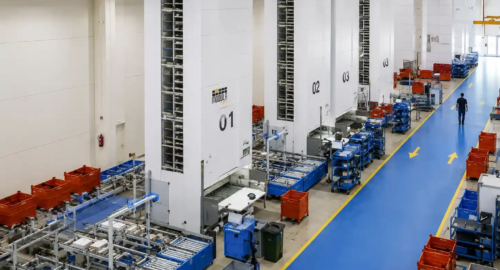
与传统货架相比,ASRS 能够更充分地利用仓库现有空间,在有限面积内实现更高密度的存储。
小型零部件存储的常见挑战
在汽车、电子或制造等行业中,小型零部件的存储与管理往往面临一系列独特挑战,这些问题可能直接影响库存管理效率。
- 空间受限:即使是体积很小的零部件,在大批量存储时也会迅速占用大量空间。在仓库扩建成本高或受限于场地条件的情况下,高效利用空间尤为关键。
- 物料类型多样:从螺母、螺栓到电容、电晶体,小型零部件种类繁多,尺寸、形状和材质差异明显,因此需要具备高度灵活性的存储方案。例如,螺钉适合存放在清晰标识的小型料箱中;而电容器则可能需要防静电存储环境,如内衬导电材料的抽屉,以避免损坏。
- 分类与整理难度高:有效的分类和整理对于小型零部件管理至关重要。管理不当会导致拣选耗时增加、拣错率上升,从而影响生产节奏和客户满意度。
- 可达性要求高:小型零部件需要能够快速、便捷地取用。在空间利用率与可达性之间取得平衡是关键。模块化抽屉、旋转货柜等紧凑型存储方案可以同时提升可视性和取用效率。
- 高价值与易损件的保护:许多小型零部件本身价值较高,尤其是电子元器件和专用紧固件,通常需要受控环境来防止静电、粉尘、潮湿及操作不当造成的损失。
使用垂直零部件存储容器的最佳实践
为零部件存储系统制定清晰的使用规范,有助于仓库人员优化库存管理、减少浪费并整体提升运营效率。
优化仓库布局
合理的仓库布局能够显著减少人员行走距离,提升整体作业效率。
为了最大化利用仓库空间,应做到:
- 合理规划通道宽度,确保设备和人员顺畅通行
- 清除杂物,保持通道畅通,营造安全的工作环境
- 将高频拣选物料布置在靠近包装和发货区域的位置,以提升作业效率
清晰标识存储容器
在存储容器上张贴清晰的标签,能够帮助仓库人员快速识别物料及其位置,从而缩短查找时间并提升拣选准确率。
在实施标签管理时,可参考以下做法:
- 为所有物料和料箱添加清晰标识,如条码或 RFID 标签(标签中可包含产品名称、料箱编号及条码信息)
- 确保标签耐用、易读,并张贴在视线高度
- 采用颜色区分不同 SKU 类型,例如使用蓝色标签表示机械零件,绿色标签表示瓶盖等
管理仓库温湿度环境
对存储区域的环境条件进行管控,有助于保护敏感部件并延长其使用寿命。
例如,应保持较低的湿度以防止金属部件腐蚀,同时维持稳定的温度以确保电子元件的性能稳定。
具体措施包括:
- 定期维护暖通空调(HVAC)系统,确保其高效运行
- 加强墙体、屋顶和地面的保温性能,以维持所需温度
- 在仓库内安装温湿度传感器,对环境进行持续监测
提升员工安全性
无论是螺钉还是钉子,当小型零部件以大批量形式存在时,如果存放不当,极易引发滑倒、绊倒等安全隐患。
为保障仓库作业人员的安全,应做到:
- 定期清扫和整理工作区域,防止杂物堆积
- 在存在潜在危险的区域设置醒目的标识和警示,如化学品存储区、高压设备或重型机械区域
- 对所有设备和工具进行定期检查与维护,防止故障和意外发生
对员工进行系统培训
通过完善的培训机制,确保仓库人员熟悉安全规范和操作流程。
在小型零部件管理培训中,可采取以下方式:
- 在入职培训中加入针对分类、标识和存储方法的专项培训
- 定期开展复训,持续提升员工技能,并在新技术或新系统上线时及时培训
- 结合图示说明、实操演示和互动式培训,加深员工对安全规范和操作要点的理解

什么是垂直零部件回转系统?
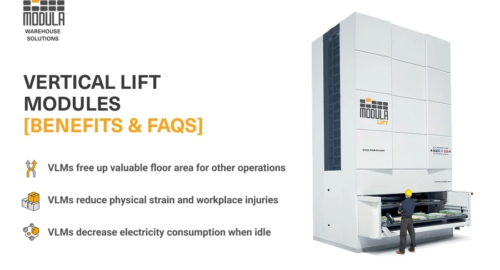
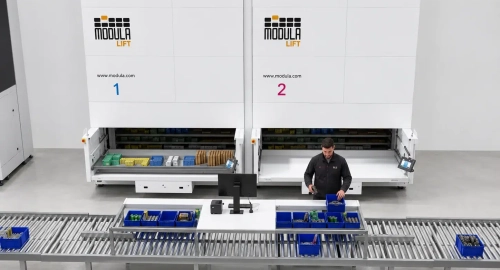
垂直升降模块(VLM)是一种自动化存储与检索系统(ASRS),通过紧凑的垂直结构来优化地面空间利用率。
在典型的垂直回转系统中,载物托盘被固定在一个封闭的垂直循环轨道上,库存沿着垂直方向做循环运动,其结构类似于封闭在金属外壳中的摩天轮。
这种创新设计能够实现高效存储、快速取用,并显著提升空间利用率。
探索 Modula APAC 的自动化零部件存储系统
从回形针、图钉,到电阻器等各类零部件,Modula APAC 提供的垂直自动化零部件存储系统及其他仓储技术,能够帮助你的运营流程更加有序、高效且安全。
这些系统能够优化拣选流程,降低库存丢失风险,确保每一件物料都能快速、准确地取用,从而节省时间并降低运营成本。
Modula Lift 的存储能力相当于 300 多平方米的传统货架,充分利用仓库的层高,实现小型零部件的高效存储,并防止未经授权的访问。
为什么选择 Modula Lift 作为你的垂直零部件存储解决方案?
- 可释放高达 90% 的地面空间
- Modula 托盘可轻松承载重型物料
- 提供多种载重配置,最大化你的物料搬运投资回报
- 内部取货口(Internal Bay)适合空间受限的场景;如需集成起重机或机械助力装置处理重型物料,可选择外部取货口(External Bay)
- Modula 仓库管理系统(WMS)可与 ERP、SAP、Oracle、Microsoft 等现有系统无缝集成
- 打造符合人体工学的作业环境,避免高处或低位取物
在 Modula APAC,我们致力于通过创新的仓储自动化技术,高效存储你的小型零部件。欢迎联系我们,了解如何根据你的实际需求定制合适的解决方案。

If you manage a warehouse that stores small parts, you may understand the challenges that often come with it.
Even if just a few of these parts go missing, it can disrupt your operations and lead to costly delays.
That’s why it’s key to keep every inventory organised and secure to maintain high standards of productivity, efficiency and safety.
In this article, we’ll cover everything you need to know about storing parts — from traditional vertical parts storage containers to our automated parts storage systems at Modula APAC.
What Are Small Parts in a Warehouse?
Small parts are lightweight, compact SKUs that often require specific handling, storage or inventory management strategies due to their size, value and the higher risk of being lost or misplaced.
Small parts are essential yet challenging to manage due to their size and value. Their inventory management can also be complex, as these parts are typically stocked in large quantities.
Examples of small parts include:
- Hardware: Screws, nuts, bolts, washers and clips
- Electronics: Capacitors, resistors, connectors and chips
- Mechanical Components: Springs, nuts and boltsTools and Accessories: Drill bits, cutting blades and fasteners
4 Different Types of Vertical Parts Storage Containers
From manual storage options to automated parts storage systems, here are the different types of vertical parts storage containers you can use to secure small parts in the warehouse.
1. Plastic Storage Containers
Plastic storage containers are typically stacked on top of each other or are mounted on walls as part of a storage system.
They offer a cost-effective alternative to shelving and drawer storage for smaller warehouses. Made from durable polypropylene, plastic storage containers can resist water and oil spills.

2. Industrial Drawers
Industrial drawers are storage cabinets that organise equipment and tools in facilities, such as automotive repair shops and machine shops.
These cabinets often feature doors that secure inventory and restrict access, providing both protection and control. Additionally, industrial storage cabinets can be integrated with desks and workstations to create a more streamlined and functional workspace.
Although they are ideal for storing small items and tools, industrial drawers have limitations in terms of vertical space utilisation, often requiring additional floor space to expand storage capacity.
3. Standard Shelving Systems
Standard shelving is one of the most common systems for storing small parts. It is often used with plastic totes or bins to organise and segregate individual SKUs.
You can easily configure these shelves to store a wide range of spare parts and tools. Shelving systems fall into two categories: mobile and static shelves.
4. Automated Storage and Retrieval Systems (ASRS)
Automated storage and retrieval systems (ASRS) are advanced robot- and computer-controlled solutions that can automatically retrieve and store items securely.
Unlike traditional shelving, automated storage and retrieval systems make the most of your facility’s existing space.
Common Challenges When Storing Small Parts
Storing small parts in any inventory system, especially in industries like automotive, electronics or manufacturing poses distinct challenges that can impact inventory management.
- Space Limitations: Even small parts can quickly take up significant space when stored in large quantities. It’s vital to use space efficiently, especially since expanding physical storage can be costly or limited by the facility’s constraints.
- A Wide Range of Different Inventory Types: From nuts and bolts to capacitators and transistors, small parts inventory can vary greatly. Each type of item requires specific storage solutions, as they vary in size, shape and material, requiring a versatile storage solution that can accommodate this diversity. For example, you should store screws in small, clearly labeled bins for easy access. On the other hand, capacitators may require anti-static storage to prevent damage, utilising drawers lined with conductive material.
- Sorting and Organisation: Effective sorting and organisation are crucial for managing small parts. Poor management can result in wasted time searching for items and picking errors, which can delay operations and negatively affect customer satisfaction.
- Accessibility: Small parts need to be easily accessible for quick retrieval. Balancing space efficiency with accessibility is key. Solutions like modular drawers, carousel systems or other compact storage options can provide visibility and easy access.
- Protection and Storage of Costly and Delicate Parts: Small parts are often highly valued. For example, electronic components and specialty screws often require controlled environments to protect them against static, dust, moisture and costly mishandling.
Best Practices When Using Vertical Parts Storage Containers
Establishing clear guidelines for using your parts storage systems can help your warehouse employees optimise inventory management, cut down on waste and boost overall efficiency.
Maximise Your Warehouse Layout
Optimise your warehouse layout to significantly reduce travel time and boost operational efficiency
To maximise your facility’s layout:
- Arrange aisles to accommodate equipment and employee movement
- Remove clutter and keep pathways clear to foster a safe workplace
- Strategically place high-demand items closer to the packing and shipping areas to improve workflow efficiency
Label Your Parts Storage Containers
Attach clear labels on your storage containers to help your warehouse employees quickly identify the contents and locations of items to further reduce search times and increase picking accuracy.
To implement labeling and parts identification:
- Clearly label all parts and bins with barcodes or RFID tags for easy identification. For example, include the product, bin number and barcode on each label
- Ensure labels are durable and readable, and placed at eye-level
- Use color-coded labels to easily identify different SKU categories. For example, use blue labels for mechanical parts and green labels for bottle caps
Manage Your Facility’s Temperature
Control environmental conditions in your storage areas to preserve sensitive components and extend their lifespan.
For example, keep the humidity levels low to prevent corrosion in metal parts and maintain a consistent temperature to ensure the stability of electronic components.
To manage your warehouse’s temperature:
Schedule regular maintenance for your heating, ventilation and air conditioning (HVAC) systems to make sure they’re running efficiently
Enhance insulation in walls, roofs and floors to maintain the desired temperature levels
Install temperature and humidity sensors throughout your facility to continuously monitor conditions
Promote Employee Safety
Whether it’s screws or nails, it’s no secret that small parts in large volumes can cause work hazards, such as slips and falls, if you don’t store them properly.
To ensure your facility is safe for your warehouse operators:
Regularly sweep and clean work areas to prevent clutter build-up that can lead to accidents
Place visible signs, labels and markings around areas with potential hazards, such as chemical storage, high voltage equipment or heavy machinery zones
Conduct regular inspections and maintenance on all machinery and tools to prevent malfunctions and failures
Effectively Train Your Employees
Implement training strategies to help your warehouse operators are well-versed in safety protocols and operational procedures.
To effectively train your employees in managing small parts:
Implement a detailed onboarding process that includes specific training on sorting, labeling and storing techniques
Provide regular refresher courses to keep your employees’ skills sharp and introduce new methods or technologies when they become available
Use visual aids, practical demonstrations and interactive workshops to help them retain knowledge of safety guidelines and beyond

What Is a Vertical Parts Carousel?
A vertical lift module (VLM) is an automated storage and retrieval system (ASRS) designed to optimise floor space with its vertical, condensed structure.
In a typical vertical carousel, carriers are securely mounted on a closed-loop vertical track that moves inventory in a vertical circular motion. It’s similar to a Ferris wheel enclosed within a metal casing.
This innovative design enables efficient storage, easy access to parts, and improved space utilisation.
Explore Automated Parts Storage Systems at Modula APAC
From paperclips and thumbtacks to resistors and beyond, Modula APAC provides vertical automated parts storage systems and other warehouse technologies that can help your operations and processes become more organised, efficient and safe.
These systems optimise the retrieval process, reduce the risk of inventory loss, and ensure that every item is easily accessible, saving time and reducing operational costs.
The Modula Lift — which is equivalent to over 300 square meters of traditional shelving — leverages your warehouse’s ceiling height to streamline small parts storage and keep items secure from unauthorised access.
Why choose Modula Lift as your vertical parts storage solution?
- Recover up to 90% of your floor space
- Modula trays handle heavy loads effortlessly
- Choose from various payload options to maximise your investment returns in material handling
- Our Internal Bay is ideal for tight space. If you need to integrate picking aids like cranes or mechanical manipulators for heavy materials, opt for the External Bay.
- Our Modula Warehouse Management System (WMS) easily integrates with your existing systems like ERP, SAP, Oracle and Microsoft
- Create an ergonomic environment to eliminate the need for reaching high or low areas
At Modula APAC, we offer innovative warehouse automation to efficiently store your small parts. Get in touch with us to discover how our technology can be tailored to meet your needs.