






在过去十年里,澳大利亚工作场所因外伤而造成的死亡人数超过1850人,突显了仓库作为一些最危险环境的地位。
与制造厂和化工厂一样,仓库需要严格执行安全措施。
那么,如何确保员工在每天在库存货架和拣货站之间的移动中保持安全呢?
本文将介绍主要的仓库安全指南和保持仓库操作员安全和高效的技巧。
此外,我们还将向您介绍 Modula APAC的领先仓库安全解决方案,帮助简化操作并增强安全协议,为每个人提供一个更安全、更高效的工作环境。
什么是仓库安全?
仓库安全是一套指导方针和经过验证的行业方法,帮助仓库员工促进安全的工作实践。
仓库常见的安全工作实践包括穿戴防护装备、遵守正确的搬运技术、保持通道无障碍以及确保设备良好维护。
实施仓库安全的关键优势
将仓库安全融入操作中为员工提供保护,并提升整体业务表现,具有以下几个关键优势。
1.预防伤害和潜在事故
仓库可能是危险的环境,存在跌倒、机械事故和过度劳累伤害的风险。
通过实施正确的培训和定期检查设备等安全措施,您可以帮助仓库员工减少事故的发生概率。
2.提高生产力和士气
一个安全的工作环境是高效的,因为较少的事故导致了较少的停机时间和中断,从而提高了生产力并确保了更顺畅的操作。
仓库员工也更有可能在感到自己安全受到重视时保持参与度和承诺。
3.帮助员工满足合规义务
仓库需遵守各种健康与安全法规,例如澳大利亚的职业健康与安全(OHS)标准。
OHS澳大利亚标准要求采取多项保护措施,确保工作环境的安全。
这些措施包括定期维护设备以防止机械故障,以及使用个人防护装备(PPE)等。
仓库常见的危险
从过度劳累到设备相关的事故,仓库最常见的危险包括:
- 滑倒、绊倒和跌落:湿滑地面、不平的表面和杂乱的走道可能导致跌倒,这是最常见的工作场所伤害类型。
- 碰撞或冲击相关事故:突然的程序变化、部件故障和不规则的动作可能导致机器人与仓库员工发生碰撞。
- 叉车事故:不当操作叉车可能导致碰撞或翻车,造成严重伤害甚至死亡。
- 机械设备撞击或夹击:移动部件或机械设备可能撞击或夹住员工,造成严重伤害。
- 手动搬运和提举:错误地搬运或提起重物可能导致拉伤、扭伤和肌肉骨骼损伤。
- 物体掉落:不当存放的物品可能掉落并伤害仓库员工。
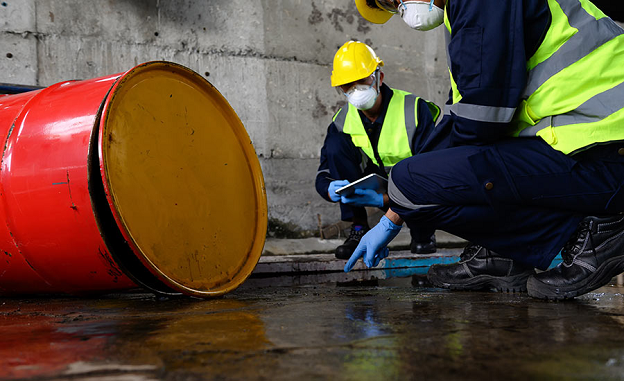
- 危险物质:错误处理或存放化学品及其他危险物质可能导致健康问题,如皮肤刺激。
- 火灾危险:不当存放易燃材料或缺乏电气安全措施可能增加火灾风险。
- 不良人体工程学:重复性任务和设计不合理的工作站可能引发慢性伤害,如腕管综合症或背部问题。
自动化搬运是否存在危险?
是的,自动化搬运如果管理不当,可能在仓库中构成危险。
尽管设计目的是提高效率并减少人为错误,但仓库技术,如机器人设备和传送带,仍然存在一些风险,包括:
- 机械故障:自动化设备如果没有定期维护,可能发生故障。例如,传送带在操作过程中可能发生错位,可能损坏货物或伤害附近的员工。
- 人为错误:人为错误,如数据录入错误和培训不足,可能导致程序问题,从而导致机器人出现意外的动作或行为。
- 系统错误:软件故障或程序错误可能导致自动化系统出现意外行为,可能伤害附近的员工。
- 障碍问题:自动化设备通过的通道上堆放杂乱无章的库存可能会导致设备卡住或故障,进而引发事故或损坏。
- 电力系统故障:无论是液压系统还是电气系统,电力源都可能干扰控制系统信号或电源线路。电气过载增加了火灾风险,且员工可能遭遇电击等危险。
- 安装不当:安装不当可能导致不同的危险,比如部件的磨损加剧和操作故障,这些都会危及员工安全。
尽管自动化带来了多种安全挑战,但它们仍然是提升操作效率的核心要素。
自动化仓库解决方案优化了流程,减少了员工的身体负担,并能显著提升生产力和库存准确性。
有效的培训、持续的保养和明确的安全协议对于降低这些风险、确保自动化处理系统的安全至关重要
仓库安全最佳实践
实施仓库安全最佳实践对于员工保护、提高生产力和遵守行业标准至关重要。以下是您可以在工作场所实施的10项仓库安全最佳实践。
1.定期安全培训
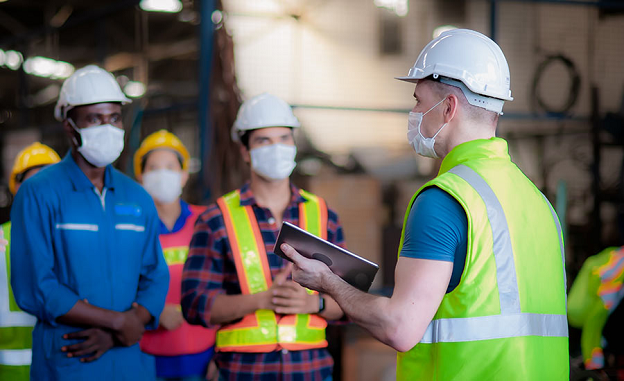
每月进行一次安全培训,涵盖正确的提举技巧、机械使用规范和紧急响应程序等主题。
2.正确使用个人防护装备(PPE)
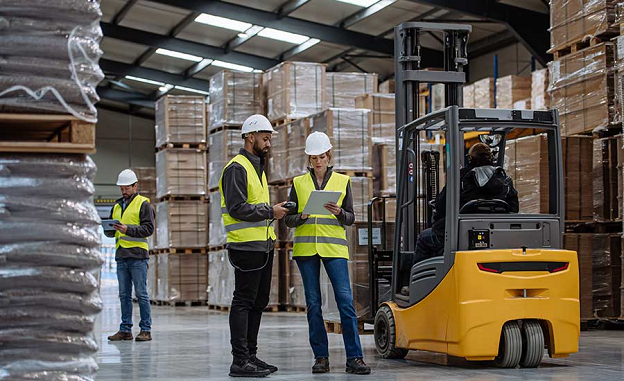
将佩戴PPE(包括钢头靴、反光背心和安全帽)作为公司政策。
确保员工遵守,并定期检查装备是否完好。
3.叉车安全
只允许认证员工操作叉车,并确保他们接受年度复训。为操作员制定日常检查表,检查叉车的刹车、转向和警告装置。
4.有效的标识和地面标线
使用清晰可见的标识标明行人通道、叉车通道和危险区域。定期维护地面标线,确保这些区域清晰可见。
5.定期设备维护
为所有仓库设备制定维护计划,如传送带、提升装置和存储架等。
保留维护活动的详细记录,并解决潜在问题,以防止设备故障。
6.安全存储规范
确保重物存放在下层架子上,以减少物体掉落的风险。
定期检查堆叠和存储技术,确保其符合安全标准,并根据实际需求进行调整。
7.紧急应变准备
定期进行消防演习,确保所有员工都熟悉紧急出口和灭火器位置。始终保持疏散路线标识清晰且无障碍物。
8.危险物质管理
培训员工正确处理和存储危险物质,如电池和放射性物质。
例如,保持区域通风良好,并确保所有容器都有清晰的标签且安全关闭。此外,要求员工将危险物品库存单独存放,以防止任何化学反应或溢出。
9.工作场所人体工程学
提供适应不同身高和体型的可调工作站,减少肌肉骨骼伤害的风险。提供人体工学培训,帮助员工优化他们的工作空间。
10.交通管理
实施交通管理计划,调控车辆和行人的流动。
例如,您可以安装针对不同类型车辆(例如叉车和送货卡车)专门标记的车道,以及单独的行人路径。
使用物理屏障来强化这些车道,并实施单向交通系统以防止碰撞。
Modula APAC的仓库安全解决方案
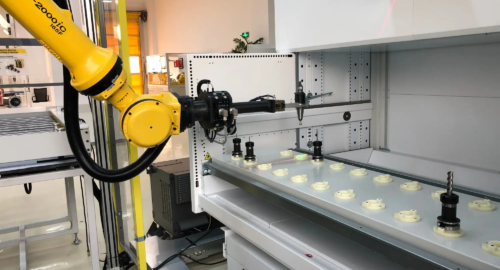
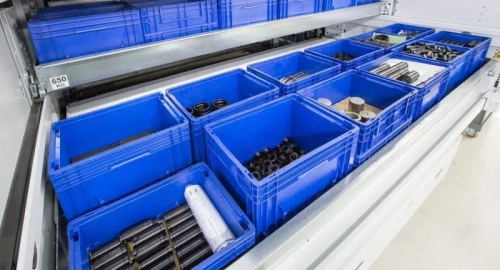
在 Modula APAC,我们提供可扩展的解决方案,旨在通过消除爬梯或达到高低处的需求来促进人体工程学和安全的工作环境。
例如,Modula SLIM特别适用于需要灵活垂直存储的有限地面空间环境。
此外,这些解决方案可以将产品送到设定的人体工程学高度的拣货区域,使员工操作更加轻松安全。
如果您的设施发生火灾呢?Modula LIFT为您提供帮助。
Modula LIFT是适用于各种产品、部件和备件的理想自动化仓库解决方案,配备了 Modula 灭火系统。
所有灭火方法都依赖于干扰“火四因”——四个能够引发和维持火灾的因素。
Modula 灭火系统超越了传统方法,使用由超细固体颗粒组成的无毒灭火剂,每个颗粒小于10微米直径。
这种灭火剂在空气中停留的时间更长,比传统方法残留物更少,是更好的火灾安全选择。
准备好优先考虑安全了吗?请随时联系我们,看看我们如何为您量身定制技术解决方案。

In the last ten years, Australian workplaces have seen over 1,850 fatalities due to traumatic injuries, highlighting warehouses as some of the most hazardous environments.
Like manufacturing facilities and chemical plants, warehouses require rigorous safety measure enforcement.
So, how can you ensure employee safety as they move between inventory shelves and picking stations daily?
We’ll cover the top warehouse safety guidelines and tips for keeping your warehouse operators safe and productive.
Plus, we’ll introduce you to leading warehouse safety solutions at Modula APAC to streamline operations and enhance safety protocols, ensuring a safer and more efficient workplace for everyone.
What Is Warehouse Safety?
Warehouse safety is a set of guidelines and proven industry methods that help warehouse employees promote safe workplace practices.
Common safe workplace practices for warehouses include wearing protective gear, adhering to proper lifting techniques, keeping aisles obstacle-free and ensuring equipment is well-maintained.

Key Benefits of Practicing Warehouse Safety
Integrating warehouse safety into your operations provides several key benefits that protect employees and enhance overall business performance.
- Prevents Injuries and Potential Accidents
Warehouses can be hazardous environments, posing risks of falls, machinery accidents and overexertion injuries.
When you implement safety measures like proper training and regular equipment inspections, you can help your warehouse staff reduce the likelihood of accidents. - Improves Productivity and Morale
A safe workplace is an efficient one, as fewer accidents lead to reduced downtime and disruption, resulting in increased productivity and smoother operations.
Warehouse staff are also more likely to be engaged and committed when they feel their safety is a priority. - Enables Your Employees To Meet Compliance Obligations
Warehouses are subject to various health and safety regulations, such as Occupational Health and Safety (OHS) in Australia.
OHS Australia standards mandate a wide range of protective measures to ensure a safe working environment.
These measures include regular equipment maintenance to prevent mechanical failures and the use of personal protective equipment (PPE), among others.
Common Hazards in the Warehouse
From overexertion to equipment-related accidents, the most common warehouse hazards include:
- Slips, Trips, and Falls: Wet floors, uneven surfaces and cluttered walkways can cause falls, one of the most common types of workplace injuries.
- Collisions or Impact-Related Accidents: Unexpected programme changes, component malfunctions, and erratic movements can lead to collisions between robots and warehouse staff.
- Forklift Accidents: Improper forklift operation can lead to collisions or overturns that may result in serious injuries or even fatalities.
- Struck-by or Caught-in/Between Machinery: Moving parts or machinery can strike or catch workers, which can result in serious injuries.
- Manual Handling and Lifting: Incorrectly handling or lifting heavy objects can cause strains, sprains and musculoskeletal injuries.
- Falling Objects: Improperly stored items may fall and injure warehouse employees.
- Hazardous Materials: Incorrect handling or storage of chemicals and other hazardous substances can lead to health problems, such as skin irritations.
- Fire Hazards: Improper storage of flammable materials or inadequate electrical safety measures can increase the risk of fires.
- Poor Ergonomics: Repetitive tasks and poorly designed workstations can cause chronic injuries. such as carpal tunnel syndrome or back problems.

Is Automated Handling a Hazard?
Yes, automated handling can pose hazards in warehouses if not properly managed.
While designed to boost efficiency and minimise human error, warehouse technologies like robotic equipment and conveyor belts pose some risks that include:
- Mechanical Failures: Automated equipment may malfunction without regular maintenance. For example, a conveyor belt could misalign during operations, potentially damaging goods or injuring nearby workers.
- Human Errors: Human errors, such as incorrect data entry and inadequate training, can cause programming issues that lead to unexpected robot movements or actions. However, OSHA identifies the main issue as familiarity with the robot’s repetitive motions, causing potential operator complacency and reduced alertness to potential hazards.
- System Errors: Software glitches or programming errors can cause unexpected behavior from automated systems, potentially harming nearby employees.
- Obstruction Issues: Cluttered inventory on walkways where automated equipment passes can cause jams or malfunctions, potentially leading to accidents or damage.
- Power System Failures: Power sources, whether hydraulic or electrical, can interfere with control system signals or power-supply lines. Electrical overloads increase the risk of fires and workers may experience electrical shock hazards with the release of stored energy.
- Improper Installation: Flawed installation may create different hazards over time, such as increased wear and tear on parts and operational failures that might endanger employee safety.
While automation presents various safety challenges, they remain a core component to enhanced operations.
Automated warehouse solutions optimise processes, diminishes physical strain on workers and can significantly boost productivity and inventory accuracy.
Effective training, consistent upkeep and clear safety protocols are paramount in mitigating these risks and ensuring safety with automated handling systems.
Warehouse Safety Best Practices
Implementing best practices in warehouse safety is crucial for employee protection, boosting productivity and industry standard regulation compliance. Here are 10 warehouse safety best practices you can implement in your workplace.
1. Regular Safety Training
Conduct monthly safety training sessions covering topics such as proper lifting techniques, correct machinery usage and emergency response procedures.
2. Proper Use of Personal Protective Equipment (PPE)
Make wearing PPE, including steel-toe boots, high-visibility vests, and hard hats on the production line a company policy.
Monitor your employees to ensure compliance and that the equipment is in good condition.
3. Forklift Safety
Only allow certified employees to operate forklifts and ensure they receive annual refresher training. Implement a daily checklist for operators to inspect their forklifts before use, focusing on brakes, steering and warning devices.
4. Effective Signage and Floor Markings
Use clear, visible signs to mark pedestrian walkways, forklift lanes, and hazardous areas. Apply and regularly maintain floor markings to keep these areas well-defined and visible.
5. Routine Equipment Maintenance
Establish a maintenance schedule for all warehouse equipment, such as conveyors, lifting devices, and storage racks.
Maintain detailed records of maintenance activities and address potential issues to prevent equipment failure.
6. Safe Storage Practices
Ensure that heavy items are stored on lower shelves to reduce the risk of falling objects.
Regularly inspect stacking and storage techniques to guarantee they meet safety standards and adjust as necessary.
7. Emergency Preparedness
Conduct regular fire drills and ensure all employees are familiar with emergency exit locations and fire extinguishers. Always keep evacuation routes clearly marked and obstruction-free.
8. Hazardous Materials Management
Train employees in properly handling and storing hazardous materials, such as batteries and radioactive materials.
For example, keep areas well-ventilated and ensure that all containers are clearly labeled and securely closed. Additionally, ask your employees to store hazardous inventory separately to prevent any chemical reactions or spills.
9. Ergonomics in the Workplace
Provide adjustable workstations suiting various heights and body sizes to minimise the risk of musculoskeletal injuries. Offer ergonomic training to help employees optimise their workspaces.
10. Traffic Management
Implement a traffic management plan to regulate the movement of vehicles and pedestrians.
For example, you can install lanes marked specifically for different types of vehicles, such as forklifts and delivery trucks, as well as separate paths for pedestrians.
Use physical barriers to enforce these lanes and implement one-way traffic systems to prevent collisions.
Warehouse Safety Solutions at Modula APAC
At Modula APAC, we provide scalable solutions that are built to promote an ergonomic and safe workplace by removing the need to climb the stairs or reach high and low areas.
For instance, Modula SLIM is ideal for environments with limited floor space that require flexible vertical storage. They keep your employees safe by occupying less space, further improving accessibility and organization.
Additionally, these solutions deliver products to a picking bay set at an ergonomic height, making it easy and safe for your employees to operate.
But what happens if your facility catches fire? The Modula LIFT is here to help.
The Modula LIFT is the ideal automated warehouse solution for all types of products, components, and spare parts, across any environment or sector. It is equipped with the Modula Firefighting System.
All fire extinguishing methods depend on disrupting the “fire tetrahedron,” the four factors that combine to start and sustain a fire.
The Modula Firefighting System transcends traditional methods by using a non-toxic extinguishing agent composed of ultra-fine solid particles, each smaller than 10 micrometers in diameter.
This agent stays airborne longer and leaves significantly less residue than traditional methods, making it a superior choice for fire safety.
Ready to prioritise safety? Feel free to reach out and see how we can customise our technology just for you.