




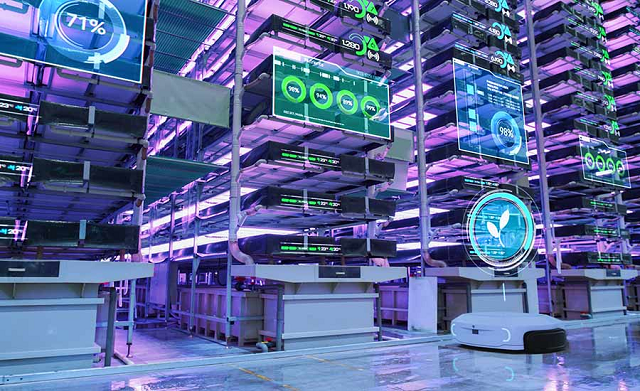
自动存储与检索系统(ASRS)主要应用于制造和配送中心。
这些系统通过替代传统货架架构来简化操作,从而显著节省地面空间、提升员工安全性并提高生产效率。
本文将介绍自动存储与检索系统(ASRS)的常见类型,指导您如何为您的运营选择理想的仓储技术,并向您展示 Modula 澳大利亚 所提供的先进 ASRS 解决方案。
什么是自动存储与检索系统(ASRS)?
自动存储与检索系统(ASRS)是一种能够存储、取出并向仓库员工交付货物的创新技术。
ASRS 由计算机或机器人控制,用以取代大型货架区域。这使得 ASRS 能够节省地面空间、改善工作场所安全性并提高生产力,除此之外还有其他优势。
您可以通过立方体存储、机器人系统、旋转货架和穿梭车等方式对该自动化解决方案进行定制,以适配任何尺寸需求。
此外,仓库管理系统(WMS)会监控这些所有组件,以确保高效运行。
谁发明了自动存储与检索系统?
如今被称为自动存储与检索系统(ASRS)的技术起源于 Demag,该公司是 Dematic 的前身。
这项创新奠定了现代高层仓库的基础,并持续推动着物料搬运的优化。
自动存储与检索系统的分类
ASRS 技术可分为三大类,主要依据其物料传输方式进行区分:
- 基于货架拣选的 ASRS(Shelf-Based Picking ASRS):系统将整层货架或托盘的货物输送给仓库员工。
- 基于箱体拣选的 ASRS(Bin-Based Picking ASRS):系统将单个箱体或料箱的货物直接输送到仓库操作员。
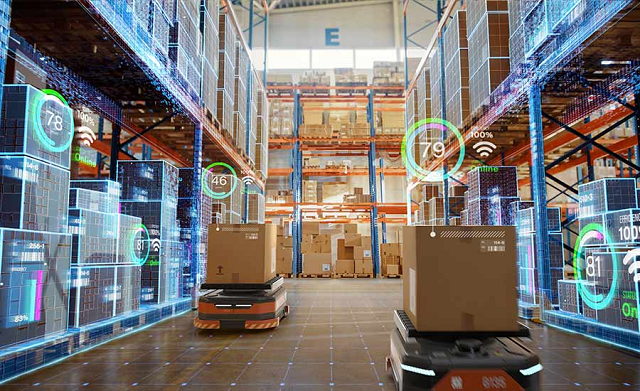
- 机器人拣选(Robotic Picking):机器人将库存运输到仓库员工所在位置。
自动存储与检索系统(ASRS)技术的类型
从垂直旋转货柜到地面机器人等,下列是各种 ASRS 技术类型,可帮助提高吞吐量并优化仓库运营:
- 垂直旋转货柜(Vertical Carousel Module, VCM):VCM 是一种在金属外壳内由封闭式垂直循环轨道上的载具组成的自动存储与检索系统。它像摩天轮一样垂直循环移动,将货架旋转至操作员面前。这种方案可最大化垂直空间的利用与工作效率。
- 水平旋转货柜(Horizontal Carousel Module, HCM):HCM 是一种沿水平椭圆轨道运作的 ASRS。它以类似传送带的方式水平输送物品,将存储的物品送达仓库操作员。此系统可高效利用水平空间,并加快取货速度。
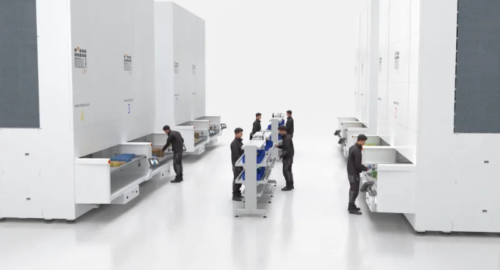
- 垂直升降货柜(Vertical Lift Module, VLM):VLM 基于“货到人”原则,将物品直接送达仓库操作员。与垂直旋转货柜不同,VLM 具备先进的设计,可单独取出物品而无需旋转整个库存。
- 垂直缓冲模块(Vertical Buffer Module, VBM):紧凑型自动存储系统,用于垂直缓冲与存储物品,从而优化空间并加快取货速度。
- 轻载 ASRS(Mini-Load ASRS):又称料箱或纸箱处理型 ASRS,主要处理 35 公斤以下的轻载。此系统非常适合在库存种类繁多的小型设施中存储与提取纸箱、托盘或料箱。
- 重载 ASRS(Unit-Load ASRS):该系统用于存储和搬运大型重物,如托盘和箱体。可处理 500 至 2500 公斤的载荷,并可达到最高 161 米的高度。重载 ASRS 分为可移动巷道式与固定巷道式起重机两类。
- 穿梭车式 ASRS(Robotic Shuttle-based ASRS):利用机器人穿梭车自动输送物品,运行速度极高,可处理每小时 200 至 700 条生产线。系统可管理重量在 16 至 45 公斤之间的料箱、托盘或箱体。
- 立方体式 ASRS(Robotic Cube-based ASRS):采用三维网格结构来组织与访问物品。物品存储于堆叠的料箱中,智能机器人在网格顶部移动,负责取货并将料箱送至工作站。
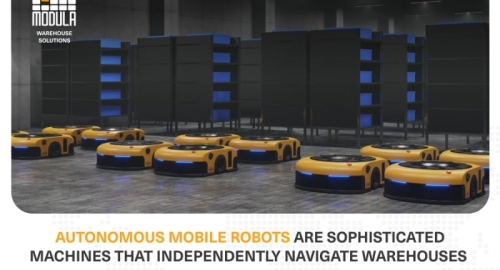
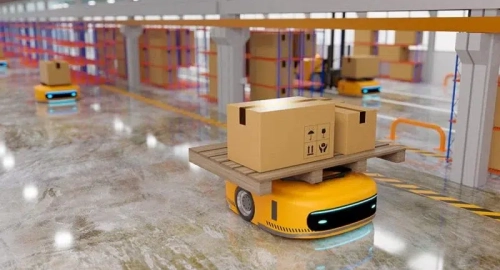
- 地面机器人(AGV/AMR):即自动导引车(AGV)或自主移动机器人(AMR),在仓库中运输库存,提高效率并减少员工行走距离。可用于搬运料箱、箱体及小型零部件。
- 微载货柜(Micro-Load Stocker):由机器人在密集存储网格中移动,存储并提取库存料箱,将其输送至传送带或工作站。该系统非常适合需要在排序、缓冲及按使用点供料等环节使用 ASRS 的仓库运营。
自动存储与检索系统的主要优势
自动存储与检索系统具有多重优势,可显著改善仓库运营。
主要优势包括:
- 优化空间:ASRS 能比传统存储方式更高效地利用垂直与水平空间,减少存储所需面积,使更多产品可存放在更小区域内。
- 提高生产力:ASRS 可显著加快仓储流程,实现更快的响应时间与更高的吞吐量。
- 提升准确性:ASRS 能减少拣选与放置过程中的人为错误,提高库存准确率,减少错误拣选与退货成本。
- 增强工作场所安全性:ASRS 可减少人工取货所导致的劳损或坠落风险,尤其是从高处或难以触及的位置取物时。
- 降低人工成本:ASRS 减少了重复性人工劳动,从而降低人工成本,并缓解因劳动力短缺引起的高流失率等问题。
- 改善库存管理:ASRS 系统通常与仓库管理系统(WMS)集成,可实时提供库存数据,从而提升库存控制与管理水平。
- 提升安全性:ASRS 可通过访问权限控制与自动监控记录系统来减少库存被盗或损坏的风险。
- 实现可持续性:现代 ASRS 具备节能设计,通常比传统系统耗能更低,尤其适用于如冷库等环境。
- 具备可扩展性:ASRS 可根据企业需求灵活扩展或缩减,是应对消费者行为变化的灵活解决方案。
如何为您的仓库选择合适的 ASRS 系统
选择适合的 ASRS 系统需要从多个关键角度进行考量,以确保系统与业务需求、吞吐目标及预算相匹配。
以下是决策过程中的关键步骤:
- 评估库存需求:考虑需存储物品的尺寸、重量与类型。不同的 ASRS 适用于不同物品(如托盘、箱体或单件零部件)。再评估库存的数量与多样性——高量低品类与低量高品类的场景对应不同系统。
- 分析空间限制:了解设施的实际空间情况,以便在业务增长或需求变化时可扩展或重新配置系统。
- 考虑吞吐要求:确定库存提取速度要求。例如,微载货柜系统适合高速取货的小件物品,而大型 ASRS 则适合处理体积更大或数量更多的货物。
- 评估系统集成性:检查 ASRS 与现有仓库管理系统(WMS)、企业资源计划系统(ERP)及其他自动化技术的兼容性,确保其可无缝对接当前与未来的技术架构。
- 审视预算与投资回报率(ROI):考虑不同类型 ASRS 的前期成本。复杂系统(如立方体式存储)可能需要更高的初始投入。计算潜在的人工、时间及库存准确性节省,并与初始与持续成本对比,确定预期 ROI。
- 分析供应商可靠性与支持:选择在相关行业中具有可靠口碑与经验的供应商,优先选择重视客户服务与维护支持的厂商,因为零部件与服务的可用性将直接影响系统正常运行时间。
ASRS 的投资回报周期(ROI)
Modula Australia 的自动存储与检索系统可在 6 至 18 个月 内实现投资回报。
这一快速回收周期足以证明投资的合理性。
这一快速回收周期足以证明投资的合理性。
ASRS 的成本取决于设备、软件、控制系统、运输、安装、员工培训及计划性维护等因素。
探索 Modula 亚太区的先进自动存储与检索系统
在 Modula 亚太区(Modula APAC),我们可帮助您改造仓库运营,实现库存安全、提升生产效率并增强整体效能。
我们的 自动垂直升降货柜(VLM) 利用仓库的层高最大化可用空间,提供便捷、安全的库存访问方式,为仓库操作人员打造更安全的工作环境。
我们提供三种类型的垂直升降货柜,以满足不同存储需求:
- Modula Lift:一款多功能自动化解决方案,适用于各行业的产品、零部件及备件存储。提供多种尺寸与存储容量,并具备数千种可定制配置,满足特定需求。
- Modula Slim:专为空间有限但需要灵活垂直存储的场景设计。与 Lift 采用相同的先进技术,Slim 拥有更高生产力、更精准的拣选与更优的库存管理能力。特别适合存放容器、备件、线圈及瓶类等小物件。
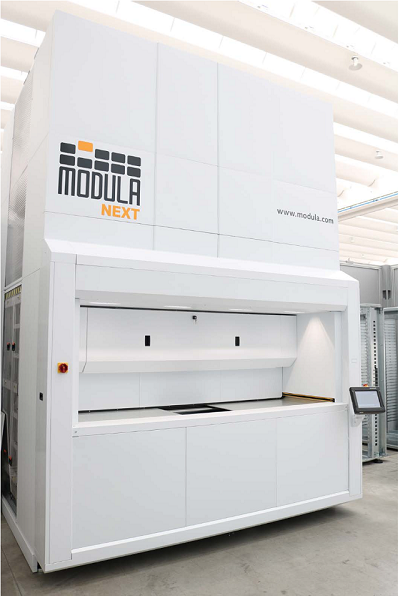
- Modula NEXT::我们最先进的一代升降货柜,注重拣选安全性。其特制拣选口仅会打开所需取货的隔间,从而降低错误与丢失风险,并提升仓储效率。
对于 天花板高度有限但需要高速拣选 的场所,我们推荐投资 Modula 水平旋转货柜(Horizontal Carousel)。
如果您准备将仓储效率提升至全新高度,请考虑集成我们的先进自动存储与检索系统。
常见问题(FAQs)
哪些行业在使用自动存储与检索系统?
ASRS 广泛应用于制造、零售、电商、医药等多个行业。
以下是各行业的应用方式:
- 制造业:ASRS 帮助管理原材料、零部件及成品。其高精度与高速度可减少错误、降低人工成本并改善库存控制。
- 零售业:零售商利用 ASRS 优化仓储空间,并快速响应市场需求变化。此类自动化在应对季节性需求高峰时尤为有效。
- 电商行业:在电商领域,订单履行的速度与准确性至关重要。ASRS 能实现快速拣选、包装与发货,确保客户快速收货并提升满意度。
- 制药行业:ASRS 可在受控环境中存储和取出温度敏感型产品。系统能保持特定温湿度,保障药品质量,并帮助企业满足严格的法规要求。
自动存储与检索系统的成本是多少?
成本会因系统类型、规模及定制化程度而有很大差异。价格范围从 10 万美元以下至数百万美元不等。
尽管前期投资较高,但长期节省与效率提升通常足以抵消成本。
自动存储与检索系统通常有哪些维护要求?
定期维护对 ASRS 的最佳性能至关重要,包括机械检查、软件更新与故障排除,这些都需要由专业技术人员完成。
能否根据仓库需求定制 ASRS?
可以。自动存储与检索系统可高度定制,以满足特定操作需求,包括对特殊产品类型的处理或与特定仓库管理软件的集成。

Automated storage and retrieval systems (ASRS) are primarily utilised in manufacturing and distribution centers.
These systems streamline operations by replacing traditional shelving racks, further saving significant floor space, improving employee safety and boosting productivity.
In this article, we’ll explore the common types of automated storage and retrieval systems (ASRS), guide you on how to select the ideal warehouse technology for your operations and introduce you to the advanced ASRS solutions offered by Modula Australia.
What Is an Automated Storage and Retrieval System (ASRS)?
An automated storage and retrieval system (ASRS) is an innovation that stores, retrieves and delivers goods to warehouse employees.
Computers or robots control ASRS to replace large shelving areas. This allows ASRS to save floor space, improve workplace safety and boost productivity, among other benefits.
You can customise this automated solution to fit any size requirement through cube storage, robotics, carousels and shuttles.
In addition, a warehouse management system (WMS) oversees all these components to ensure efficient operation.
Who Invented Automated Storage and Retrieval Systems?
The technology known today as automated storage and retrieval systems (ASRS) originated with Demag, a precursor to Dematic.
This foundation of innovation continues to improve modern high-bay warehouses and optimises material handling.
Categories of Automated Storage and Retrieval Systems
ASRS technologies fall into three main categories, distinguished by their delivery methods:
- Shelf-Based Picking ASRS: These systems deliver an entire shelf or tray of products to the warehouse staff.
- Bin-Based Picking ASRS: These solutions bring an individual bin or tote of products directly to the warehouse operator.
- Robotic Picking: These robots transport inventory to warehouse employees.

Types of Automated Storage and Retrieval System (ASRS) Technologies
From vertical carousel modules to floor robots and beyond, here are the different types of automated storage and retrieval systems to help increase throughput and optimise your warehouse operations.
- Vertical Carousel Module (VCM): A vertical carousel module is an automated storage and retrieval system (ASRS) that features carriers on a closed-loop vertical track within a metal enclosure. It moves inventory in a vertical loop similar to a Ferris wheel, rotating shelves to deliver items directly to the operator. This solution maximises vertical space and efficiency.
- Horizontal Carousel Module (HCM): A horizontal carousel module is an automated storage and retrieval system (ASRS) that consists of a horizontal oval track. It transports items horizontally and operates like a conveyor belt that transports stored items to the warehouse operator. This system efficiently utilises horizontal space and speeds up item retrieval.
- Vertical Lift Module (VLM): A vertical lift module (VLM) is an ASRS that brings goods directly to the warehouse operator using the goods-to-person principle. Unlike a vertical carousel, the VLM is equipped with an advanced design allowing items to be retrieved individually without rotating the entire inventory.
- Vertical Buffer Modules (VBMs): Compact automated storage systems that buffer and store items vertically, optimising space and improving retrieval times.
- Mini-Load ASRS: Mini-load ASRS, or tote-stacking and case-handling ASRS, manage lighter loads up to 35 kg. These systems are ideal for storing and retrieving cartons, trays or totes in small facilities with a large variety of stock keeping units (SKUs).
- Unit-Load ASRS: Unit-Load ASRS systems keep and move bulky and heavy items, such as pallets and cases. They can handle loads ranging from 500 to 2,500 kg and reach heights of up to 161 meters. The two types of unit-load ASRS include movable-aisle and fixed-aisle cranes.
- Robotic Shuttle-based ASRS: Shuttle-based ASRS utilise a robotic shuttle to automatically deliver items. These systems operate at high speeds, handling 200 to 700 lines per hour. They can manage totes, trays, and cases weighing between 16 and 45 kg.
- Robotic Cube-based ASRS: Robotic cube-based storage systems use a three-dimensional grid to organise and access items. Items are kept in stacked bins within these cubes. Smart robots navigate atop the grid to pick and deliver bins to workstations.
- Floor Robots (AGVs/AMRs): Floor robots, or automated guided vehicles (AGVs) or autonomous mobile robots (AMRs), transport inventory within your warehouse to enhance efficiency and reduce employee travel time. You can use these robots to move bins, boxes and small parts.
- Micro-Load Stocker: A micro-load stocker features robots that move across a dense storage grid, storing and retrieving inventory bins to transport them to conveyors or workstations efficiently. It’s ideal if your warehouse operations require an ASRS for sequencing, buffering and point-of-use goods.
Key Benefits of Automated Storage and Retrieval System
Automated storage and retrieval systems offer a plethora of benefits that can significantly improve your warehouse operations.
Some key advantages include:
- Optimise Space: ASRS utilise vertical and horizontal space more efficiently than traditional storage methods, reducing the footprint needed for storage and enabling more products to be stored in a smaller area.
- Improve Productivity: ASRS can significantly speed up warehouse processes, allowing for quicker response times and higher throughput.
- Boost Accuracy: ASRS can help reduce human error in picking and placing items, enhancing inventory accuracy and reducing costly mispicks and product returns.
- Enhance Workplace Safety: ASRS can help minimise the risk of workplace injuries, such as overexertion or falls, by minimising the need for workers to manually retrieve items — especially from high or hard-to-reach places.
- Minimise Labour Costs: ASRS reduces the need for manual labour in repetitive tasks, which can lower labour costs and mitigate issues related to labour shortages, such as high turnover rates.
- Improve Inventory Management: ASRS systems are often integrated with warehouse management systems (WMS), providing real-time inventory data that further helps with better inventory control and management.
- Increase Security: ASRS can improve security and reduce theft or damage to inventory, thanks to access restrictions and automated monitoring systems that track and log each activity.
- Achieve Sustainability: Modern ASRS are designed to be energy efficient, often using less energy than traditional systems, especially in controlled environments like cold storage.
- Scalability: ASRS can be scaled up or down based on your business needs, making them a flexible solution for changing consumer behavior.
How to Choose the Right Automated Storage and Retrieval System for Your Warehouse
Choosing the right automated storage and retrieval systems for your operations requires different key considerations to make sure you select a system that aligns with your business needs, throughput goals and budget.
Here’s how you can approach the decision-making process:
- Assess your inventory needs: Consider the size, weight and type of items you need to store. Different ASRS are better suited for different item types, such as pallets, cases or individual parts. Then, evaluate the quantity and diversity of your inventory. High-volume, low-variety items might benefit from different systems compared to operations with low-volume, high-variety items.
- Analyse space constraints: Understand the physical space in your facility so you can expand or reconfigure the system as your business grows or needs change.
- Consider throughput requirements: Determine how quickly you need to retrieve inventory. For example, systems like micro-load stockers are suitable for high-speed retrieval of small items. While larger, automated storage and retrieval systems can manage bulkier items or larger quantities.
- Evaluate integration and compatibility: Check the compatibility of the ASRS with your existing warehouse management systems (WMS), enterprise resource planning (ERP) systems and other automation technologies. Ensure the ASRS can integrate seamlessly with your current and future technological infrastructure.
- Review your budget and potential ROI: Consider the upfront costs of different ASRS types. More complex systems, such as robotic cube storage may require higher initial investments. Calculate potential savings in labour, time and inventory accuracy. Weigh these against the initial and ongoing costs to determine the projected return on investment (ROI).
- Analyse supplier reliability and support: Select a supplier renowned for their reliability and experience within your specific industry. Opt for a vendor that prioritises customer-centric support and maintenance services, as the availability of parts and services can significantly affect system uptime.

What Is the ROI for ASRS?
Modula Australia’s automated storage and retrieval systems can deliver a return on investment (ROI) within six to 18 months.
This quick payback period for our Modula solutions justifies the investment.
The cost of your ASRS depends on the equipment, software, controls, delivery, installation, employee training and scheduled maintenance.
Explore Cutting-Edge Automated Storage and Retrieval Systems at Modula APAC
At Modula APAC we can help transform your warehouse operations by securing your inventory, boosting productivity and increasing efficiency.
Our automated vertical lift modules (VLMs) leverage ceiling height to maximise your facility’s footprint. They provide easy and secure access to inventory, creating a safer environment for your warehouse operators.
We offer three types of vertical lift modules (VLMs) tailored to meet diverse storage needs:
- The Modula Lift: This versatile automated solution is ideal for storing products, components, and spare parts across various industries. It’s available in a wide range of sizes and storage capacities, with thousands of customisable configurations to meet specific requirements.
- Modula Slim: Perfect for spaces with limited floor area but needing flexible vertical storage. Using the same advanced technology as The Lift, The Slim offers enhanced productivity, improved picking accuracy, and better inventory management in a compact design. It’s especially suited for storing small items like containers, spare parts, coils, and bottles.
- Modula NEXT: Our most advanced generation of lift modules, Modula NEXT prioritises safety in automated picking. It features a specially designed bay that opens only the compartment needed for picking, reducing the risk of errors and lost items, and boosting warehouse efficiency.
For facilities with limited ceiling height that require high-speed picking, consider investing in our Modula Horizontal Carousel.
If you’re ready to take your warehouse efficiency to the next level, consider integrating one of our advanced automated storage and retrieval systems.
FAQs About Automated Storage and Retrieval Systems (ASRS)
Which industries use automated storage and retrieval systems?
ASRS is widely used in different industries, such as manufacturing, retail, eCommerce, pharmaceuticals and more.
Here’s a detailed look at how different industries utilise these systems:
- Manufacturing: In manufacturing, ASRS helps manage raw materials, components and finished products. The precision and speed offered by these systems minimise errors, reduce labour costs and improve inventory control.
- Retail: Retailers use ASRS to optimise warehouse space and respond promptly to changing market demands. This automation is particularly beneficial in handling seasonal spikes in demand.
- eCommerce: For eCommerce, speed and accuracy in order fulfillment are essential. ASRS allows for rapid picking, packing and shipping processes, which enhances customer satisfaction by ensuring quick delivery times.
- Pharmaceuticals: In the pharmaceutical industry, ASRS can store and retrieve temperature-sensitive products under controlled conditions. These systems can maintain specific temperatures and humidity levels to guarantee the integrity of medications. ASRS can also help manage strict regulatory compliance for storage and handling.
How much does an automated storage and retrieval system cost?
The cost can vary widely depending on the type, size, and customisation of the system. Depending on the system, prices can range from under $100,000 to several million dollars.
While upfront costs can be significant, long-term savings and efficiency gains can justify the cost.
What are the typical maintenance requirements for an automated storage and retrieval system?
Regular maintenance is paramount for the optimal performance of your automated storage and retrieval system, including mechanical inspections, software updates and troubleshooting, all of which require skilled technicians.
Can you customise an automated storage and retrieval system for your warehouse’s needs?
Yes, automated storage and retrieval systems can be highly customised to meet specific operational requirements, including the handling of unique product types or integration with specialised warehouse management software.