








仓库管理系统(WMS)是一种解决方案,帮助企业管理日常仓库运营。它是供应链管理的重要组成部分,可提供对库存各个阶段的实时可视化,从运输、存储到最终发货。
在本文中,我们将介绍仓库管理系统的所有关键内容,包括其功能、不同类型,并介绍 Modula APAC的先进创新解决方案。
什么是仓库管理?
仓库管理是一个涵盖仓库日常运营的总称,包括布局管理、库存管理、人员调度、订单履行及发货协调等。
高效的仓库管理可以提高生产力和运营效率,确保订单快速、准确地完成。
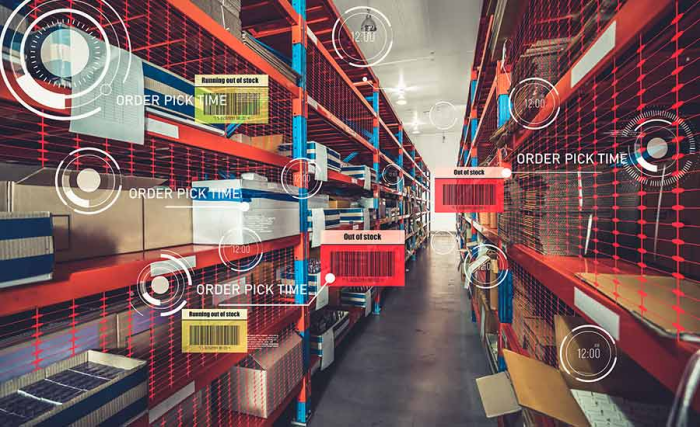
仓库管理 vs. 库存管理
仓库管理涉及监督仓库的日常运营,以确保产品能够及时、准确、经济高效地交付给客户。
相比之下,库存管理则负责多个仓库或整个公司的库存调控。它优化物料搬运,即从A点到B点的货物流动,以节省空间和成本,同时满足客户需求。
什么是仓库管理系统(WMS)?
仓库管理系统(WMS)是一种软件应用程序,能够自动化仓库的日常运营。
借助WMS,您的员工可以:
- 处理和监控单个SKU、产品记录、唯一标签、产品转移及库存计数
- 高效安排订单
- 控制和监测货物在仓库中的存放与运输情况
- 设置位置标识符和标记
- 管理和分配团队任务,设定访问权限,观察用户操作
- 实时了解仓库员工情况、劳动力成本、响应率、生产力差距及规划趋势
- 监控包裹交付时间及目的地,以确保准确性
- 自动生成包装单、发票,并发送发货通知
- 监督系统功能,检测并解决问题,生成报告和通知,审核和评估数据
- 通过数据输入或文件传输,与其他系统和应用程序连接并交换信息
仓库管理系统如何工作?
WMS的典型运作方式如下:
- 优化排程:WMS分析现有订单和员工可用性,以估算每日成本并与运输供应商协调,从而优化收货和发货时间。
- 组织仓库:WMS利用仓库尺寸及库存详细信息(如托盘和产品尺寸),创建战略性布局设计,以扩展存储空间。
- 管理库存:WMS通过条形码、传感器和RFID标签跟踪库存移动。仓库员工在接收、存储、拣选、包装和发货订单时扫描产品,实时更新库存水平,从而减少浪费并防止缺货。
- 订单履行:WMS提供详细的移动端可访问拣选清单,准确指示商品位置,帮助实现快速、准确的订单履行。
- 监控系统性能:WMS确保流程合规,监测运营问题,并收集数据以评估绩效、发现改进点、设定目标及跟踪进度。
仓库管理系统的类型
市场上有多种WMS类型,可根据企业需求和目标进行选择,包括:
1. 集成仓库管理系统
集成WMS通常是现有ERP系统的扩展。ERP是一款整合核心业务功能(如财务、客户关系和项目管理)的综合软件。
集成WMS与其他业务流程(如开票、销售和会计)同步,为企业提供统一的运营视图。
2. 独立仓库管理系统
独立WMS专门管理仓库运营,如库存控制和报告生成。其成本通常低于集成WMS。
但独立WMS在会计、订单处理和逆向物流等其他业务领域的功能较为有限。
3. 云端仓库管理系统
云端WMS由远程主机管理,可随时随地访问。与本地部署的解决方案相比,它对现场硬件和IT支持的需求更少。
云端WMS实施速度快,定制灵活,能够根据企业需求进行调整。
通常,云端WMS由第三方提供商按订阅模式管理,从而降低前期成本并简化维护。
4. 供应链模块WMS
供应链模块WMS不仅限于仓储管理,还涵盖整个供应链的协调,包括客户与供应商关系、采购、生产及运输管理。
这种系统可提供实时可视化,优化决策和资源分配。
因此,许多第三方物流(3PL)提供商会将其与其他WMS解决方案结合使用。尽管供应链模块WMS的部署需要一定的集成工作,但它可以极大地优化整个供应链。
仓库管理系统的关键优势
作为电子商务仓库的核心支柱,WMS能够减少低效操作并支持业务增长。
WMS可以通过以下方式优化仓库运营:
1. 提高库存准确性
高效的WMS可实现实时库存跟踪,确保库存数据精准,减少库存损耗。
许多系统还允许设置自动补货提醒,当SKU达到预设阈值时自动通知,简化补货流程。
此外,WMS还能跟踪库存及订单历史,帮助企业监测SKU的销售速度,并进行更精准的需求预测。
2. 提升订单处理效率
WMS可与电商平台(如Shopify或Wix)集成,确保库存实时更新,避免客户下单后发现缺货的情况。
准确的库存数据使订单在供应链中流转更高效。
3. 加强库存安全
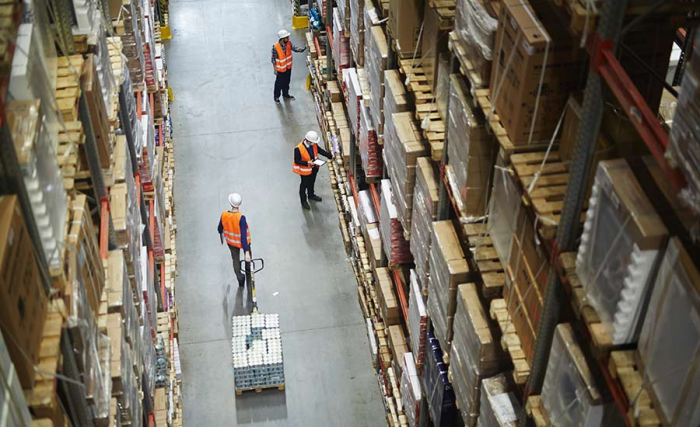
如果缺乏安全协议,仓库盗窃现象可能发生,即便是在Amazon等大型仓库。
WMS通过访问控制、员工权限管理和用户活动跟踪,提高库存安全性。
4. 提高订单拣选准确性
WMS可向手持设备或移动终端提供精准拣选指示,包括最优路径、商品位置及数量,从而提高拣选准确率和效率。
部分系统还集成了“亮灯拣选”技术,使用视觉提示引导拣选员到达正确的商品位置并拿取正确数量,减少拣选错误。
5. 加快发货速度
借助WMS优化履行物流,企业可计算预计发货时间,并评估是否具备提供更多运输选项的能力。
例如,WMS可分析物流数据,评估根据当前库存位置及运输资源是否能实现次日或当日达服务。
6. 降低运营成本
尽管WMS的前期投资可能较高,但长期来看,它能带来显著成本节省:
降低人为错误,如拣选错误
加快订单履行,提高员工效率
通过库存可视化减少库存损失和缺货现象
通过 Modula APAC的仓库管理系统提升运营效率
在 Modula APAC,我们提供自动化存储解决方案和仓库管理系统,助力各行业优化仓库空间、拣选流程及库存管理。
我们的智能WMS可作为手动仓库的独立软件使用,也可无缝集成自动化存储与检索系统(ASRS)。
凭借先进功能和用户友好的界面,该系统可轻松与大多数配送管理系统(DMS)和企业资源规划(ERP)系统兼容,确保更快速、更精准的收货、拣选和存储流程。
欢迎联系我们,了解我们的技术如何为您的团队带来价值。我们的专家将为您提供定制化建议和解决方案,以满足您的独特仓库需求。

A warehouse management system (WMS) is a solution that helps companies manage daily warehouse operations. It’s a vital component of supply chain management, offering real-time visibility into all inventory stages, from transit to storage and dispatch.
In this article, we’ll cover everything you need to understand about warehouse management systems, including their functionality, various models, and introduce our sophisticated and innovative solutions at Modula APAC.
What Is Warehouse Management?
Warehouse management is an umbrella term that describes daily operations in the facility, such as managing layout, inventory, labour, order fulfillment, and shipping coordination.
Effective warehouse management boosts productivity and efficiency, ensuring fast and accurate order fulfilment.

Warehouse Management vs. Inventory Management
Warehouse management involves overseeing daily warehouse operations to ensure timely, accurate, and cost-effective delivery of products to customers.
In contrast, inventory management oversees stock across multiple warehouses or an entire company. It optimises material handling, or the movement of goods from point A to point B, to save space and money while meeting customer demand.
What Is a Warehouse Management System (WMS)?
A warehouse management system (WMS) is a software application that automates daily warehouse operations.
With a WMS, your employees can:
- Handle and monitor individuals SKUs, product records, unique tags, product transfers, and inventory counts
- Arrange orders efficiently
- Control and monitor the placement and transit of goods within your facility
- Establish location identifiers and markers
- Administer and delegate tasks to team members, define access controls and privileges, and observe user actions
- Gain instant insights into warehouse staff, labor costs, response rates, productivity gaps, and planning trends
- Monitor package delivery times and destinations for accuracy
- Automatically generate packing slips, invoices, and send shipment notifications
- Oversee system functionality, detect and address issues, produce reports and notifications, review and assess data
- Connect and exchange information with other systems and applications via data input or file transfer
How Does a Warehouse Management System Work?
Here’s how a WMS typically works:
- Optimise schedules: A warehouse management system analyses existing orders and staff availability to plan daily estimate costs and coordinate with transport providers. This ensures optimal timing for receiving and shipping orders.
- Organise your warehouse: A WMS utilises warehouse size and inventory details, such as pallet and product dimensions, to create strategic layout designs that expand storage space.
- Manage inventory: A WMS tracks inventory movement using barcodes, sensors, and RFID tagging. Warehouse employees scan products as they receive, store, pick, pack, and ship orders. This updates inventory levels in real time, minimising waste and preventing shortages.
- Fulfil orders: A WMS aids in fast and accurate order fulfillment by providing picking teams with detailed, mobile-accessible packing lists that show precise item locations.
- Monitor system performance: A WMS ensures procedural adherence, monitors operations for issues, and collects data to assess performance, identify improvements, set goals, and track progress.
Types of Warehouse Management Systems
There are various warehouse management systems (WMS) available, each tailored to your business needs and goals, including:
1. Integrated Warehouse Management System
An integrated WMS typically serves as an extension of your existing ERP system — a comprehensive software that consolidates core business functions like finance, customer relations, and project management.
An integrated WMS synchronises with other business processes, including invoicing, sales, and accounting, offering a unified view of your operations.
2. Stand-Alone WMS
A stand-alone WMS independently manages warehouse operations such as inventory control and report generation. It is typically more affordable than an integrated WMS.
It provides limited functionality for other business areas like accounting, order processing, and reverse logistics.
3. Cloud-Based WMS
A remote host manages a cloud-based WMS, allowing access from anywhere, anytime. This type of WMS requires less on-site hardware and IT support compared to on-premises solutions.
Cloud-based warehouse management systems are quick to implement and highly customisable. This enables companies to tailor them to their specific needs.
A third-party provider typically manages cloud WMSs on a subscription basis, reducing upfront costs and simplifying maintenance needs.
4. Supply Chain Module WMS
A supply chain module WMS ensures seamless coordination across various functions beyond warehousing.
It manages all aspects of the supply chain, including customer and vendor relationships, sourcing, manufacturing, and transportation. The integration provides real-time visibility, improving decision-making and resource allocation.
As a result, many third-party logistics (3PL) providers use it alongside other WMS solutions. Although setting up the Supply Chain Module WMS may require some integration effort, it offers significant benefits in optimising the entire supply chain.
Key Benefits of a Warehouse Management System
Acting as the backbone of your eCommerce warehouse, a WMS decreases inefficiencies and supports business growth.
A WMS can benefit your warehouse operations in several ways, including:
1. Enhancing Inventory Accuracy
A well-implemented WMS provides real-time inventory tracking, ensuring precise stock counts and diminishing inventory shrinkage.
Many systems even allow you to set automatic reorder reminders when SKUs reach predetermined thresholds, streamlining replenishment.
Additionally, warehouse management systems often track inventory and order histories, allowing you to monitor SKU velocity over time and make more accurate demand forecasts.
2. Improving Order Efficiency
A WMS integrates with your eCommerce platform, like Shopify or Wix, to keep your inventory updated in real-time. This reduces the risk of customers ordering out-of-stock items.
With accurate inventory data, orders move through the supply chain more efficiently.

3. Strengthening Inventory Security
Without proper safety protocols, warehouse theft can occur — even in facilities like Amazon’s.
Warehouse management systems amplify inventory security by enabling access controls, employee permissions, and user activity tracking.
4. Reinforcing Accurate Order Picking
A WMS provides precise picking instructions to handheld devices or mobile terminals, detailing optimal routes, item locations, and quantities to boost accuracy and efficiency.
Some systems also integrate with pick-to-light technology. They use visual cues to guide pickers to the correct items and quantities, reducing mispicks.
5. Enabling Faster Shipping
With the right WMS streamlining your fulfilment logistics, your team can calculate estimated shipping times and assess the feasibility of offering additional shipping options.
For example, it can analyse logistical data to evaluate if overnight or same-day delivery is achievable based on your current inventory locations and transportation resources.
6. Lowering Costs
While a WMS may seem costly upfront, it delivers long-term savings by:
- Decreasing manual errors, such as mispicks
- Accelerating fulfilment to maximise labour efficiency
- Mitigating inventory shrinkage and stockouts with improved visibility
Supercharge Your Operations With Modula APAC’s Warehouse Management System
At Modula APAC, we offer automated storage solutions and warehouse management systems that streamline warehouse space, picking processes, and inventory management across industries.
Our intelligent, end-to-end WMS functions as stand-alone software for manual warehouses and operates seamlessly with automated storage and retrieval systems (ASRS).
With advanced features and a user-friendly interface, it integrates easily with most distribution management system (DMS) and enterprise resource planning (ERP) systems, ensuring faster and more accurate receiving, picking, and storing processes.
Get in touch with us to understand how our technology can benefit you and your team. Our experts are prepared to offer customised guidance and solutions to address your unique warehouse requirements.